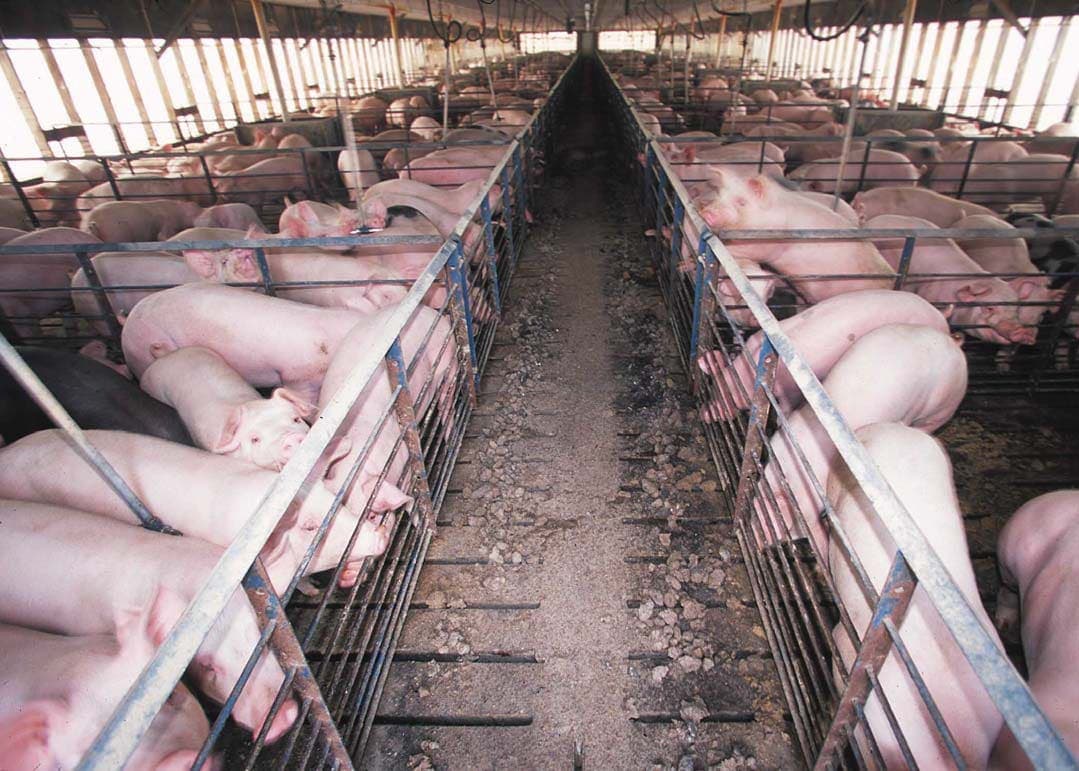
The modern farm will help meat processing plants, such as the recently modernized Orshansky factory, operate at full capacity. Belarus has struggled with pork shortages for years, resulting in increasing imports, primarily from Russia.
In the first half of last year, the country imported 20,000 tons of pork, a 38% increase compared to the previous year. This new project aims to contribute to domestic food security and reduce reliance on imports.
The plans for the mega-farm follow a decade of mixed results in the pig sector. In the late 2010s, production declined by nearly 25% due to African swine fever, and the sector has not yet fully recovered.
In addition to doubling meat production, Belarus expects the new pig farm to attract foreign investment, which would provide a positive boost to the national economy. With the construction of more farms and modernization of existing factories, the Belarusian government hopes to establish a more stable pork production system.
This strategic move is seen as crucial to meet President Alexander Lukashenko’s call to increase meat production. Although threats remain, such as ASF, the government in Minsk is determined to make the country self-sufficient in pork production again.
The plan involves building 14 new pig farms within two years by 2026 and increasing pork production to more than 500,000 tons. Currently, Belarus owns 2.1 million pigs, a slight rise compared to 2022.