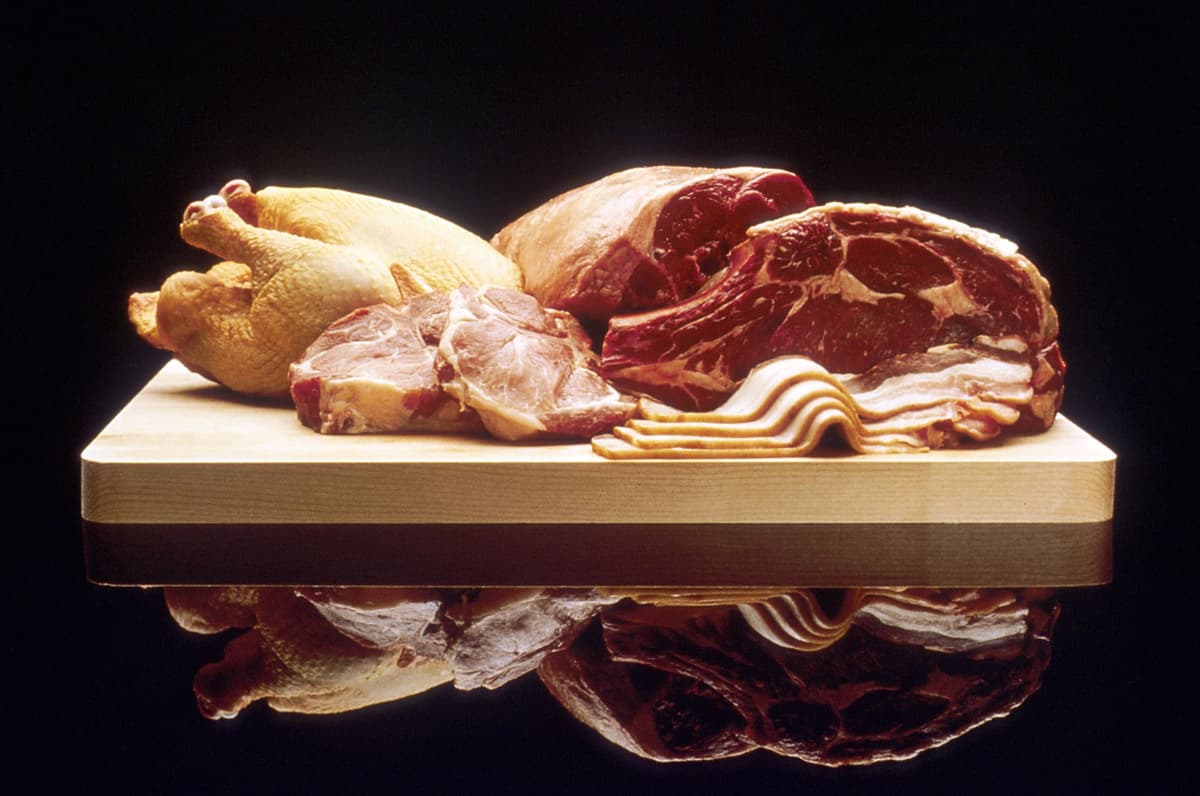
Dutch consumers pay significantly more for meat products than in other EU countries. The Netherlands ranks in the EU's top five for meat prices.
According to a 2019 study by the statistical office, there are large price differences within the European Union. When price levels are compared to the EU average, it appears that in 2019 the highest meat prices were in Austria (price index of 145) and Luxembourg (141), followed by France (131), the Netherlands (127), Belgium (125), and Finland (124).
On the other hand, the lowest price levels for meat in 2019 were in Poland and Romania (both with a price index of 63), followed by Bulgaria (66) and Lithuania (71). Romania had the lowest meat prices in the European Union (EU), 37.3% below the EU average, Poland (36.7% below the EU average), Bulgaria (33.8% below the EU average), and Lithuania (29.9% below the EU average).
The meat categories these statistics relate to include beef and veal, pork, lamb, mutton, and goat meat, poultry, other meat and edible offal, delicatessen, and other meat preparations, according to Eurostat.
The EU study also included meat prices from three non-EU countries: Switzerland, Iceland, and Norway. These countries are part of the European Economic Area but are not subject to EU agricultural and food policies. In Switzerland, meat costs almost one and a half times the global average. It is more expensive than anywhere else in the world, as earlier research from Caterwings, a now-defunct online catering marketplace, showed.
Compared to the EU average, the Swiss pay 2.3 times as much for meat (more than double), according to Eurostat data. A random sample showed that one kilogram of conventional ham in Switzerland cost an average of 23 francs (21 euros), while one kilogram of organic ham cost 51 francs (47 euros), more than double.
The Swiss animal welfare law is considered the strictest in the world. However, the high meat prices are not a consequence of this; that a more animal-friendly livestock industry drives up production costs and that farmers and livestock would ultimately benefit.
That is not the case, says Mathias Binswanger, professor of economics at the University of Applied Sciences and Arts Northwestern Switzerland in Olten. “The higher price mainly benefits retailers, not the farmers.” The high margin for wholesalers and retailers increases even further when meat is produced under animal-friendly conditions, as a previous market analysis by the Swiss animal welfare organization STS showed, Deutsche Welle recently reported.