

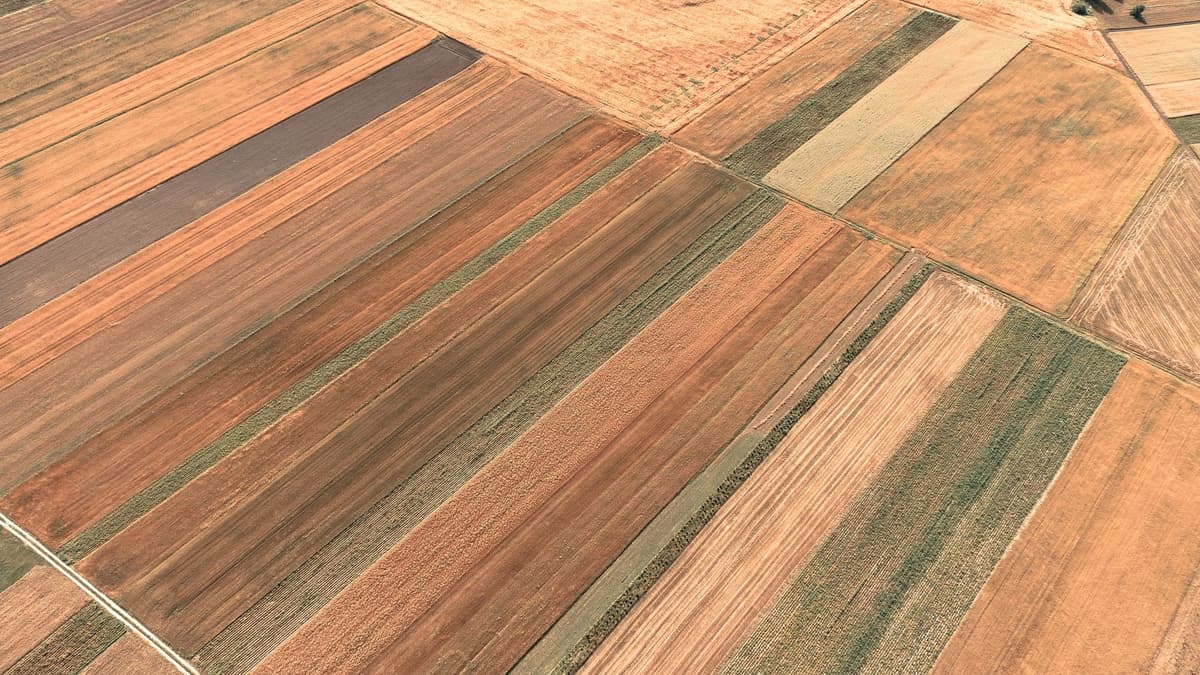
Six European scientific organizations are calling in a letter to the European Parliament for a major revision of the EU agricultural policy. According to the more than 2,500 scientists, the current intensive agriculture is destroying nature and therefore the European agricultural policy must be radically overhauled as soon as possible. BirdLife Netherlands is one of the organizations that published their appeal in the journal Nature.
The authors state that the current EU agricultural policy causes enormous damage to natural biodiversity, especially on farmland. The European policy is too focused on scaling up to maximize quantity. This often leads to irreversible changes to areas, making them increasingly unsuitable as habitats for birds, insects, or mammals.
The scientists point to the figures: in the EU farmland birds declined by more than 55 percent between 1980 and 2015, in German nature reserves insect numbers decreased by more than three quarters. The numbers of other animal species, as well as plants and herbs on farmland, show similar declines. Scaling up leaves far too little space for flower-rich field edges or ditch banks. Moreover, in many places the groundwater level has been lowered for the benefit of farmers.
Promotion
The European fund for agricultural subsidies is about 60 billion euros. On average, every EU inhabitant pays 114 euros annually to the common agricultural policy. This amount was the focus of a promotional campaign around the European elections this spring. Banknotes of 114 euros were distributed calling for a greener European agricultural policy.
Additionally, the EU agricultural policy is under fire for possible fraud and misuse of agricultural subsidies. After months of investigation in nine member states, The New York Times published an article describing how politicians in countries like Hungary and the Czech Republic misuse part of the agricultural funds for their own gain or that of allied large landowners. They cite the example of the Czech Prime Minister who reportedly received tens of millions in subsidies last year.
The New York Times speaks of a subsidy system that is deliberately opaque and thus undermines the EU’s environmental objectives. Brussels is said to turn a blind eye to this corruption because addressing it would mean that the entire agricultural policy would need to be revised, while these large agricultural subsidies are a welcome source of income for many EU countries.