

British Prime Minister Johnson has definitively pushed through his controversial amendments to the Brexit law that undermine the previously made agreements between Brussels and London in the House of Commons. Last night was the final vote, resulting in a comfortable 340-256 majority.
The European Commission points out that the British law violates international law. London calls it "a limited violation." The European Commission has received "no signal" that the British will withdraw their controversial Brexit law. The EU will be "unhesitant" with legal measures, said Vice-President Maroš Šefčovič earlier after consultations with British Brexit Minister Michael Gove in Brussels. The "end of September" was mentioned as the ultimate deadline.
On October 1 and 2, the European heads of state will hold an extraordinary EU summit, and next week a ruling is expected from the European Parliament. Earlier this month, the EU demanded that London withdraw its internal market legislation this month. But Šefčovič remained vague about which sanctions the Commission is considering if this does not happen before October 1.
Promotion
The British legislative change still needs to pass the House of Lords, but no date is yet known. The possibility is not excluded that Boris will postpone the House of Lords' consideration as long as possible, thereby more or less forcing the EU to initiate a rupture first.
Boris Johnson has previously said that by October 15 at the latest it must be clear whether there will be an EU-UK trade agreement. If Brussels and London fail to reach a trade deal, from January 1 there is a threat of chaotic economic relations between the EU and the UK.
The European agricultural umbrella group Copa says a possible no-deal could deal devastating blows to the agricultural sector of Europe and Great Britain. The prospect that negotiators will fail to reach an agreement will result in a devastating double hit for farmers, agri-food companies, and traders who are already struggling with the COVID-19 pandemic, according to COPA.
Over the past two years, producers and traders of European food companies, member states, and others have prepared to absorb the shock of the British departure from the EU. But where these industries need predictability, so far they have had only uncertainty, with no clarity on how exports will be treated from January 1, 2021.
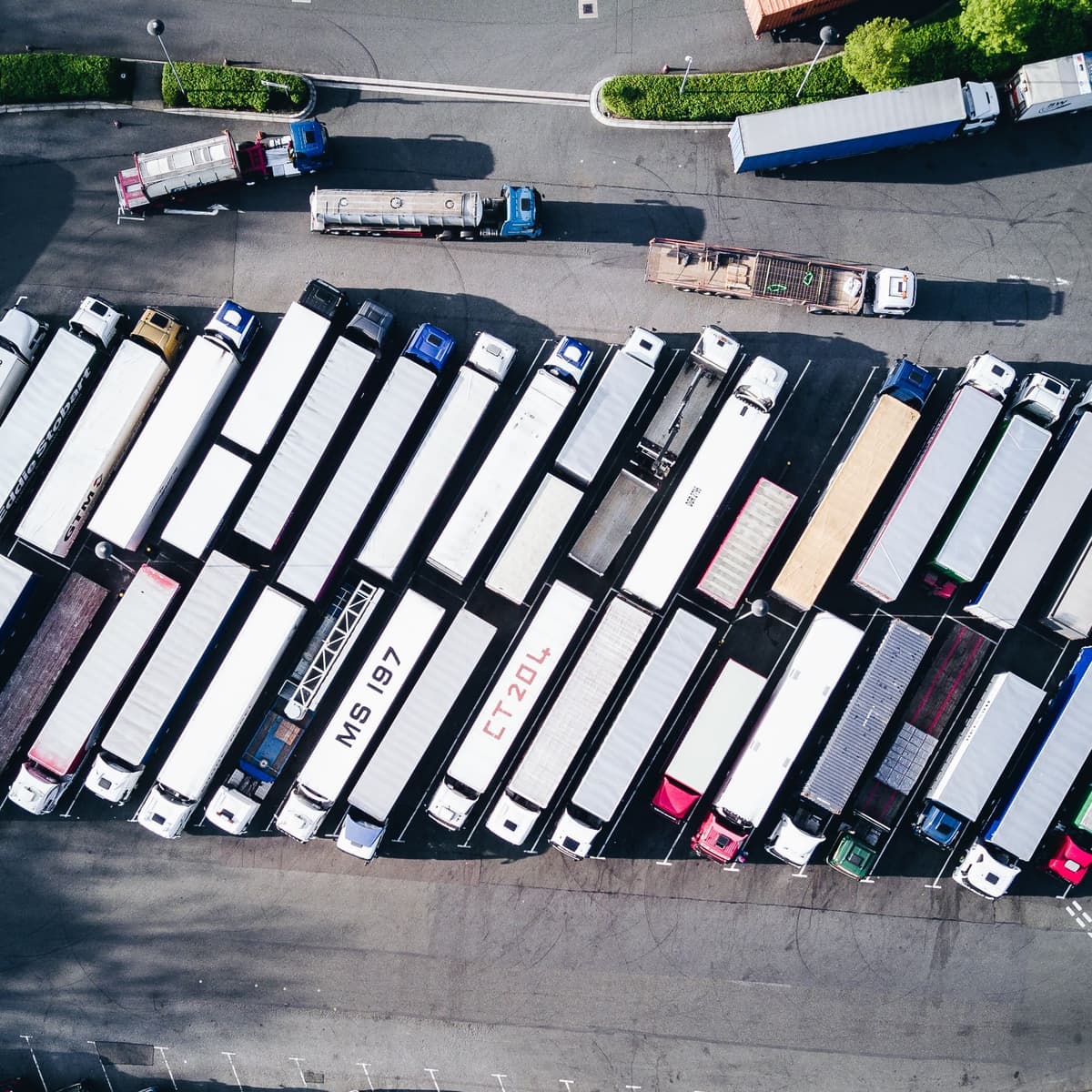
For instance, a whole system of import duties and customs controls still needs to be developed, and the transport sector must still be adjusted. Previously, there was talk of queues of thousands of trucks at the ferries in the British ports.