

There is still no progress in the negotiations between the European Union and the United Kingdom on a trade deal for January 1, 2021. The seventh round of talks in Brussels did not lead to sufficient progress, said EU chief negotiator Michel Barnier afterwards. ‘I am disappointed and concerned,’ said the Frenchman.
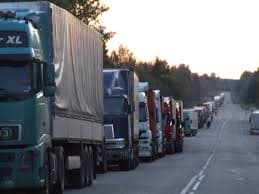
The government in London wants British trucks to continue to have unhindered access to roads in the EU even after the UK’s departure from the European Union. The European Commission rejects that plan because it would lead to a new hidden common market, from which the British very much want to distance themselves.
Furthermore, new agreements have recently been made within the EU regarding cabotage. That EU Transport Pact regulates, among other things, drivers’ maximum driving times, their rest periods, the use of tachographs, and picking up freight runs in non-home countries. The British want these rights to remain intact for them even after Brexit. British drivers would then be able to continue transporting loads within the EU.
Promotion
The Brexit negotiations subsequently hit a wall because of these cabotage demands from the British, reports The Financial Times (FT). The newspaper writes that the proposal was poorly received in Brussels. Both the United Kingdom and the EU emphasize the importance of balanced agreements, but they each have very different views on that. European negotiators fear that the market position of EU carriers would be undermined if British drivers retained access to the market.
As a concession, the British have offered to allow such transport rights only for British trucks that use the Channel tunnel train or the ferries between Calais and Dover. That concerns more than three-quarters of all British container transport. The rest goes via Europoort near Rotterdam, via the Belgian Ostend, and other smaller ports.
Several media outlets with well-informed sources speak of a ‘clash’ during the latest negotiations. The British would have the most to lose, but Boris Johnson's government so far refuses to make concessions. The seventh round of talks in Brussels thus did not lead to sufficient progress, said EU chief negotiator Michel Barnier afterwards. ‘I am disappointed and concerned,’ said the Frenchman.
An agreement must be reached by the end of October at the latest to be able to technically and legally complete it on time, Barnier warned. The European Parliament still has to approve the treaty. Barnier said he was ‘surprised’ by the lack of ambition on the British side, since Prime Minister Boris Johnson had stated in June that the pace of negotiations on fundamental topics, including fisheries and monitoring the agreements, would be accelerated.
British negotiator Frost attributes the stalled negotiations to the EU’s stance on state aid rules and fisheries. ‘Brussels insists that we agree on these before dealing with other substantial topics. That makes it unnecessarily difficult to make progress.’ The British have been out of the EU since February 1, but a transition period applies until December 31 during which a trade treaty is being sought for the period thereafter.