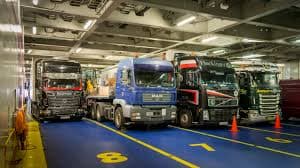
The export of British goods to the European Union fell by more than two thirds in January compared to the previous year. The decline in exports is not so much caused by the coronavirus pandemic but largely by additional customs checks and paperwork after Brexit.
British transport organizations complain that there are far too few British customs officers. There are only 10,000, a fifth of what is needed. There are fears of even less sales in EU countries when the British customs begin inspections on the import of European goods in July.
There are also currently strict rules for British truck drivers traveling from the UK to France via the Channel Tunnel; they must now be able to show a negative coronavirus test.
The damage also affects British exporters who face new customs checks and IT system failures. It is estimated that the fishing industry alone loses £1 million per day.
The additional delays have already cost businesses in Scotland more than £11 million sterling. Scottish farmers and food companies struggle with costly delays and major financial losses, said Scottish Brexit Minister Michael Russell.
The damage amounts to at least £11 million sterling in losses for Scottish seed potato farmers who can no longer export to EU countries. Later this week, there will be a British-European top-level meeting on the issue. EU diplomats have said that "the British should not complain: they wanted Brexit and have now gotten what they wanted," as is said informally.
In the Scottish regional parliament in Edinburgh, Minister Russell said the Scottish government would continue to do everything possible to mitigate the impact of Brexit—including a six-month grace period to give businesses more time to adjust to the changes.
The Scottish government has announced a new support package of £7.75 million sterling, providing aid to fishermen, fish businesses, and ports threatened by the EU exit.
Last week, the British Chambers of Commerce stated that not only British companies but also British government agencies were insufficiently prepared for the implementation of the new British-European trade procedures.