

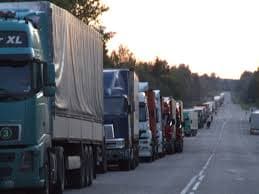
The new border controls between the European Union and the United Kingdom, which will be implemented from January, will cause delays for transport companies and carriers in British ports on the Irish Sea and the Channel. This puts British exports to the European mainland at risk.
British ports do not have the space to park thousands of trucks because customs must inspect the cargo. The government plans to establish 'mega-large customs parking lots' inland. Transport problems also threaten exports from Ireland at the ports since their goods are also transported over (British!) land.
According to surveys, the British lamb meat sector would be the biggest loser in a Brexit without a trade agreement, with currently about 89% of lamb meat produced in Great Britain going to European markets. It is expected that next year about 3 million fewer lambs will be exported. If these end up on the British market, prices will come under further pressure.
Promotion
If the current transition period ends on December 31, it will also have a negative effect on the British agricultural sector, writes FarmingUK. Between 2013 and 2017, 82% of exported beef and 78% of dairy products, eggs, vegetables, and fruit were sent to EU markets.
Vegetable and fruit production in the United Kingdom is largely focused on domestic markets, with little export, but a large part of agriculture nonetheless depends on external markets, primarily the European Union. At the same time, many EU producers depend on the British market. In 2018, 80% of meat products arrived in Great Britain and nearly 100% of dairy products and eggs came from the EU.
British consumers buy a wide range of EU products every day, especially fresh fruit, vegetables, and meat. In 2018, the European Union exported approximately £38.2 billion (more than £15,000 billion) worth of food to Great Britain.
Ireland is considering deploying additional ferry services from Irish ports to French Cherbourg. Every year, more than 150,000 trucks transport over 3 million tons of freight across England between and to Ireland via British highways and ports to reach the European continent.