

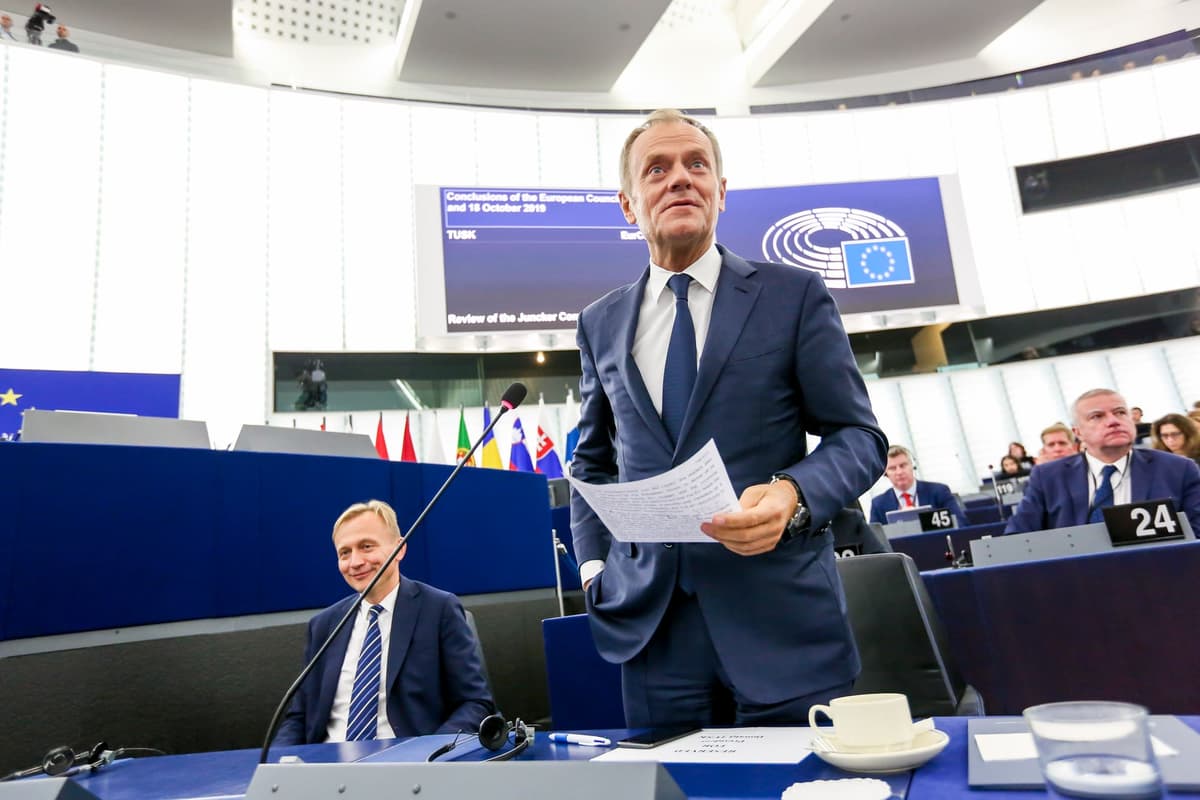
The European Commission has decided to release €137 billion to Poland. These funds had been withheld due to concerns about the rule of law and democracy in the country. The decision marks a new phase in relations between the EU and Poland, following years of tensions over the rule of law. Poland is the largest recipient of EU funding.
The decision to release the frozen funds comes after months of negotiations and political pressure. The European Commission has repeatedly expressed concerns about the situation in Poland, particularly regarding violations of the rule of law and the independence of the judiciary. The previous Polish PiS government always denied these allegations, claiming to act within the bounds of the law.
The European Commission's move is seen as a sign of confidence in the new Polish government under Prime Minister Donald Tusk. Tusk is known as a pro-European politician and promised during his election campaign to strengthen ties with the EU. His government has already implemented several reforms to address Brussels’ concerns.
Promotion
The European Commission’s decision also recognizes the political shift that has taken place in Poland. In last year’s elections, the divided Polish opposition formed a joint candidate list led by Tusk. This unity has contributed to creating a political climate more favorable to closer ties with the EU.
Although the release of funds is welcomed by the Polish government and pro-European forces, some critics worry that the decision was taken too hastily. They point out that concerns about the rule of law and democracy in Poland remain, and that the EU should have applied more pressure to enforce concrete reforms before releasing the funds.