

In Bulgaria, the association of municipal governments is calling for a ban on the use of glyphosate in populated areas. The Association of Bulgarian Villages wants to prohibit and criminalize the private use of pesticides containing glyphosate.
The ban should apply to built-up areas, including private properties, gardens, municipal road networks, parks, alleys, sidewalks, playgrounds, and public buildings, due to the risk to public health.
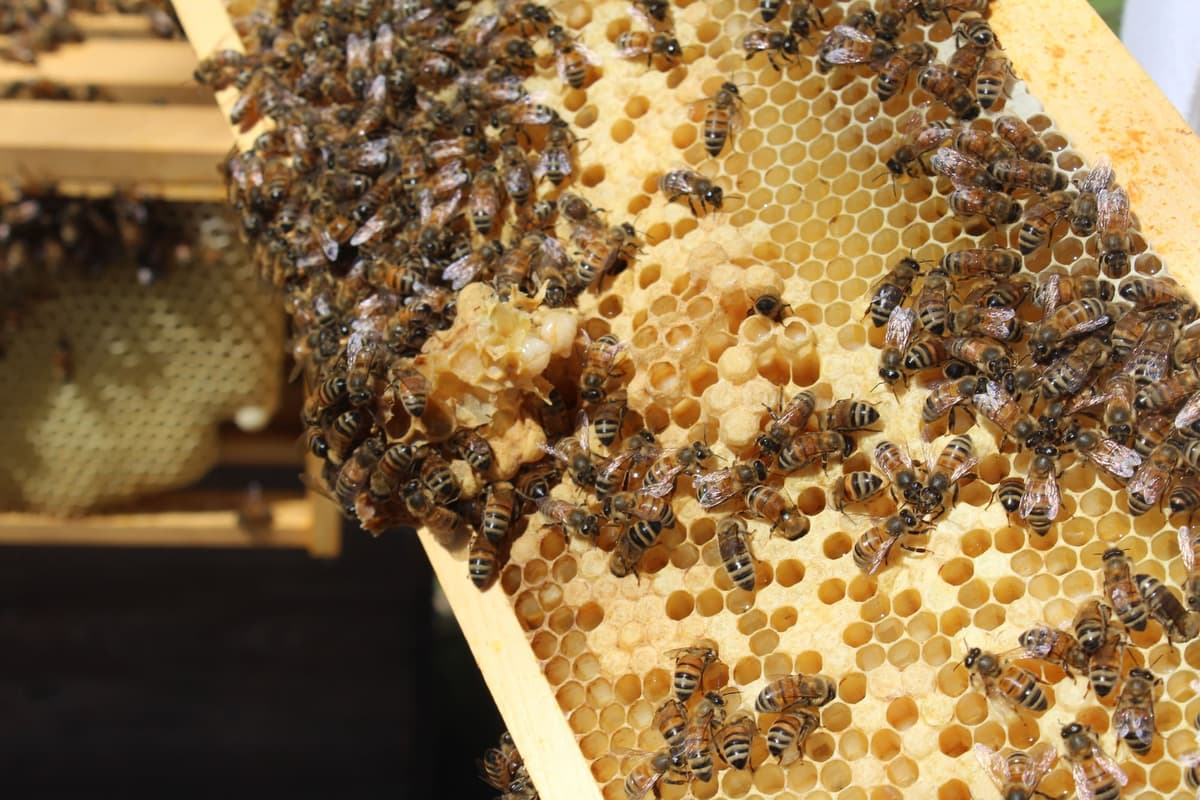
The Bulgarian municipal governments also propose limiting the use of glyphosate by farmers to at least 500 meters from the edges of agricultural plots and ditches. Near beehives, the ban should apply within a "green zone" of at least 1000 meters.
Promotion
The World Health Organization has classified glyphosate as "probably carcinogenic." Scientific studies have linked glyphosate use to massive die-offs in bee populations.
The European Commission approved its use until the end of 2022. To date, several EU countries advocate a total ban, including Austria, Belgium, Italy, the Czech Republic, Greece, Denmark, the Netherlands, Portugal, and Luxembourg. Soon, the EU must decide whether to extend the temporary use or to impose restrictions or a ban.
Experts from four EU countries, including the Netherlands, conducted a scientific study at the request of Brussels. They recently concluded that the temporary authorization of the substance was justified and responsible.
LTO Netherlands called this conclusion good news and believes the results confirm the validity of the existing authorization of glyphosate. For farmers and horticulturists, the conclusion is important, according to LTO, because they rely on the safety of the products they use for humans, animals, and the environment.