In large parts of Central and Northern Europe, temperatures clearly dropped below zero, while winter crops remained relatively vulnerable due to the previously warmer-than-usual weather conditions and late sowing.
The cold wave in Finland and the Baltic countries, despite very low temperatures (locally down to –20 °C), is expected to have limited or no impact on the crops because of an already well-established insulating snow layer.
In Northern Germany, Denmark, Southern Sweden, and Northern Poland, the sudden temperature drop combined with high groundwater levels and lack of snow cover likely caused local damage to winter crops. In Southeast Germany, Austria, the Czech Republic, Southern Poland, and Slovakia, potential damage was limited by snowfall, which regionally brought more than 20 cm of fresh snow to insulate crops from the cold.
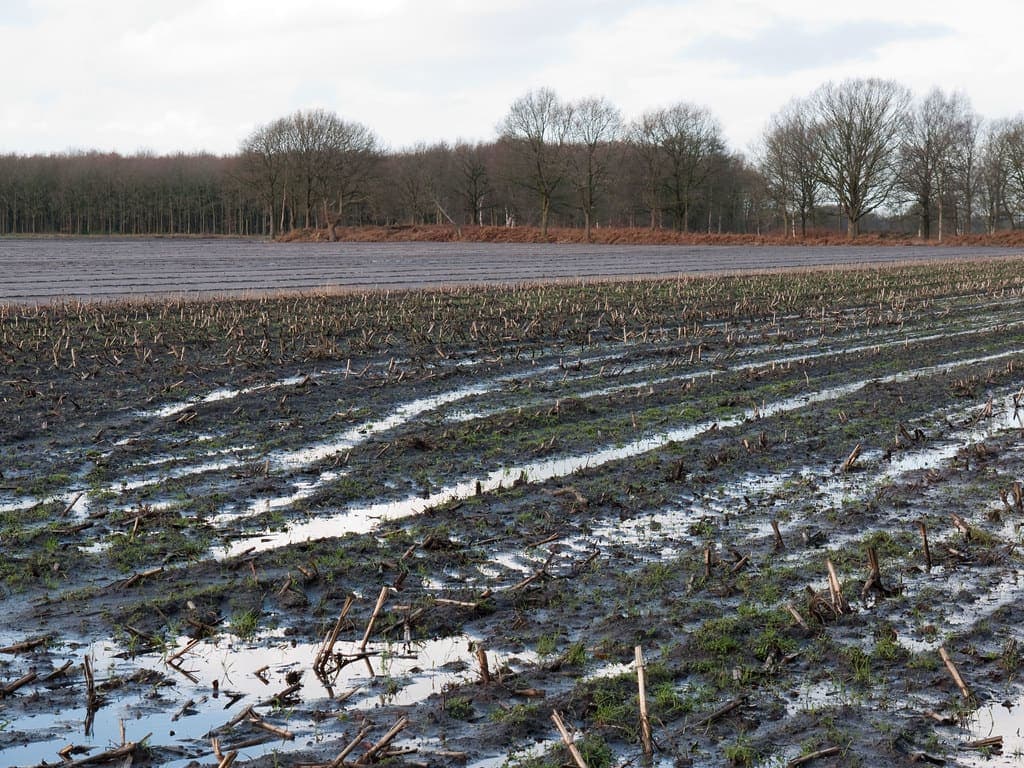
Too wet fields and land, partly accompanied by snow, disrupted the end of sowing in Northern France, the Benelux countries, and Western Germany, especially for soft wheat. It is unlikely that the harvests in these regions will be fully realized. In France, about ten percent of the planned soft wheat fields remained unsown.
The large amount of rain in South-Central and Eastern Europe had little or no negative impact on the crops. It was mainly beneficial in Romania and Bulgaria, where the rain ended a previous drought, which—together with above-average temperatures—supported the emergence of the late-sown winter crops.
In Belarus, Northeastern Ukraine, and European Russia, the thick snow layer over winter wheat fields provides sufficient insulation against severe cold events. This is not the case in the southernmost parts of European Russia, where high temperatures prevented the accumulation of snow.
According to the European monthly agri-weather report, there was a clear rainfall deficit along the Mediterranean coast of Spain and in Southern Italy. This is particularly concerning in Sicily, where the drought, along with a clear delay in sowing, has led to underdeveloped winter cereals, especially durum wheat.