

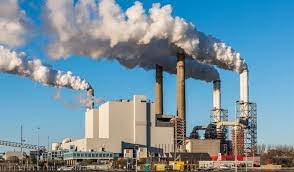
The fact that EU countries met the emission reduction norm in 2020 was not due to measures taken by the EU countries, but rather the partial halt of the economy and reduced energy use due to the coronavirus crisis.
According to the Court of Auditors, three countries, including the Netherlands and Germany, only achieved their required reductions by purchasing savings from other countries. Additionally, six member states did not meet their renewable energy targets and compensated for this by purchasing from other states.
The Court of Auditors says in a new report that the EU should not only count emissions from national industry and agriculture but also greenhouse gases from international air and shipping transport as well as those resulting from trade activities.
Promotion
With the new Industrial Emissions Directive (IED), a start has been made by now including larger parts of livestock farming. However, the implementation of this is still partially left to the countries themselves.
These discussions will also play a role in the coming years regarding new EU laws against pesticide use in agriculture and for nature restoration (if that proceeds).
We need more insight into emission results in the EU countries to be able to determine the full outcomes of EU policy, said Joëlle Elvinger, the Luxembourgish ECA member who led the audit. She also referred to “blind spots,” among others that some targets are non-binding but indicative.