

Cyprus refuses to approve the European-Canadian CETA trade agreement as long as the brand name and regional rights of Cypriot halloumi cheese are not recognized.
Cyprus is thus the first EU country to refuse to ratify the agreement with Canada, which has been provisionally in effect since 2017. The island, divided into a Greek and a Turkish part, wants their delicacy to receive the same protected status as champagne and Parma ham.
EU officials in Brussels believe that there are sufficient safeguards in the trade agreement to ensure that the parliament of a single country cannot block the entire accord. Moreover, Brussels could still provide the requested protection for halloumi without reopening the deal with Canada.
Promotion
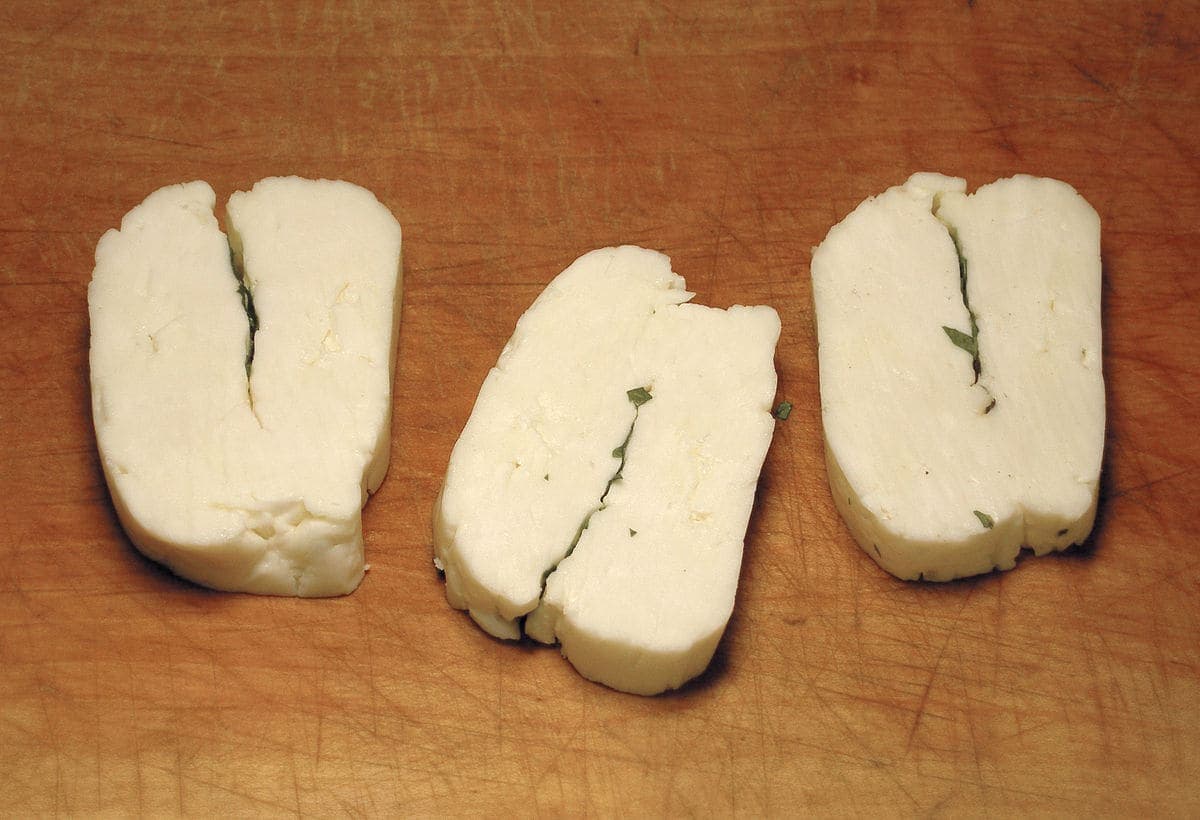
Halloumi or haloumi is a semi-hard, unripened, salted cheese made from a mixture of goat’s and sheep’s milk, and sometimes cow’s milk. It has a high melting point and can therefore be easily fried or grilled. This characteristic makes it a popular meat substitute.
The EU has so far not granted the Cypriot cheese variety regional protected status because the country's government and farmers have (not yet) reached an agreement on the recipe for halloumi cheese: whether it must consist of at least 51 percent sheep and goat milk, or if more cow’s milk may be added.
The government aims to increase the ratio before 2024, when producers must begin to comply with EU guidelines for protected status, requiring at least 51% sheep and goat milk, according to the traditional recipe submitted with the PDO application to the European Union.
Minister of Agriculture Costas Kadis said on Friday that he expected a joint meeting soon with relevant European commissioners to reach a conclusion on the registration of halloumi. President Nicos Anastasiades has also raised the issue with the President of the European Commission, Ursula von der Leyen.