

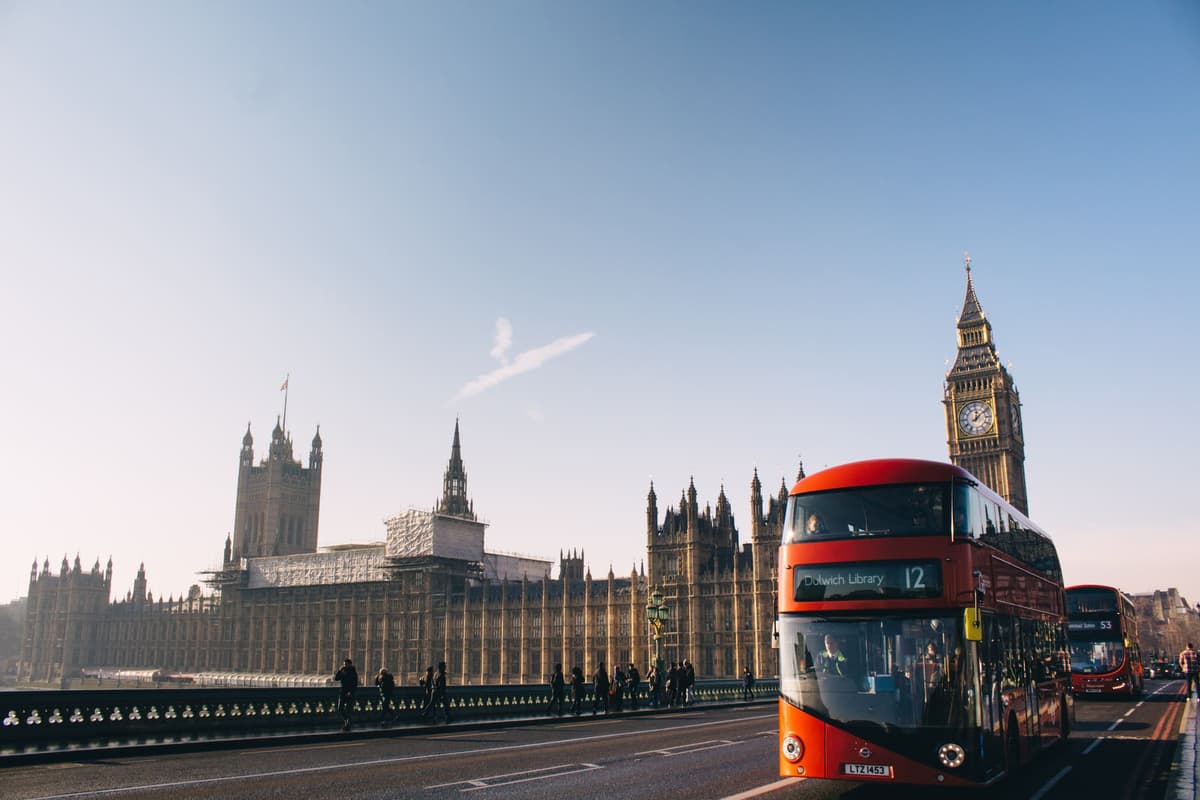
The British House of Commons will meet on Saturday to discuss the agreement that Prime Minister Boris Johnson struck with the EU regarding the United Kingdom's departure from the EU. It is highly unusual for the House of Commons to convene on a Saturday. The last time this happened was during the Falklands War in 1982.
Johnson is currently busy securing a majority in the House of Commons behind him. Opposition parties have already announced they will vote against it, and the pro-British Northern Irish Democratic Unionist Party (DUP), which could help the Conservatives to a majority, are also opposed.
Opposition parties Labour, the Liberal Democrats, and the Scottish SNP want a second referendum. The Northern Irish DUP, the government's confidence-and-supply partner, is also unwilling to back Johnson. Brexit Party leader Nigel Farage is also unconvinced. The fact that Northern Ireland would continue to follow the rules of the European Single Market, even though legally it would be part of the UK customs system, is insufficient for Farage.
Promotion
The new agreement actually means "no Brexit," he tweets. "We will settle for nothing less than a clear Brexit, Boris," he says. According to Farage, the agreement will lead to years of negotiations over a free trade agreement which we already know we will not get. Honestly, I think it should be rejected.
It is expected that several amendment proposals from parliamentarians will be put to a vote before the final vote on the agreement. One of the announced amendments will likely concern an extension of the voting deadline.
If that is adopted and there is a one-week extension, there will be no time left to finalize the deal on time (before October 31). Johnson would then be forced, against his will, to ask the EU for an extension.
The House of Commons previously rejected a deal three times that former Prime Minister Theresa May had reached with Brussels.