

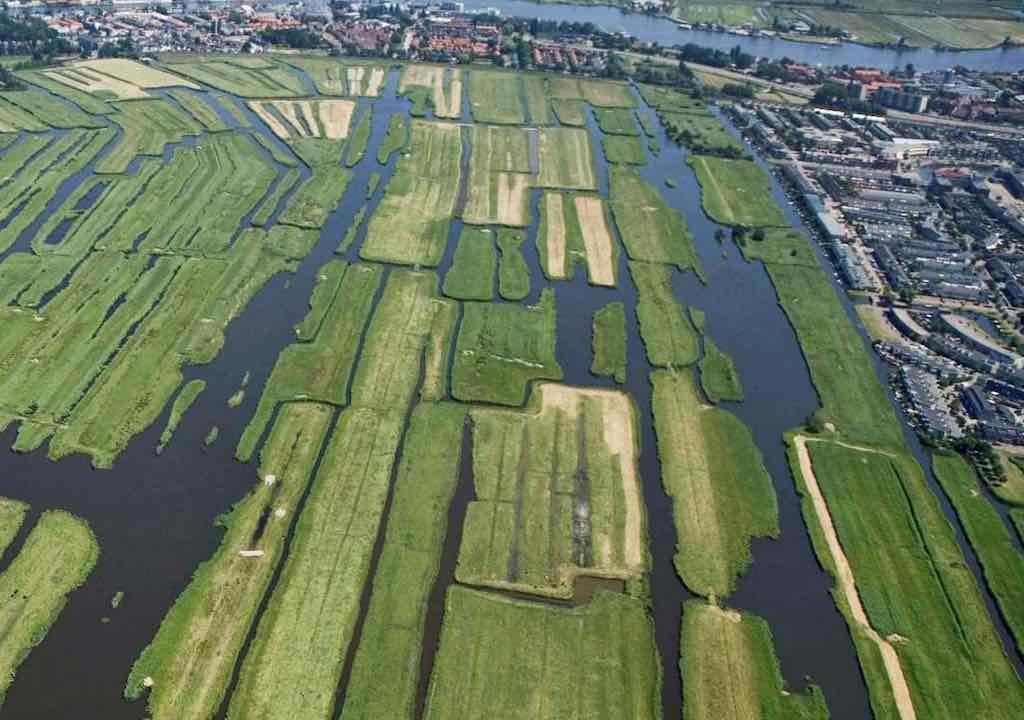
In more than half of the cases, surface water contains too many pesticides. This makes Dutch surface waters some of the most polluted waters in Europe. This is evident from research by a major Dutch environmental organization into how the thirteen regional provincial governments fulfill their duties.
It shows that some provinces still have not implemented the EU rules against water pollution that have been in place for many years. The environmental organization advocates that the national government in The Hague take on the task of solving this problem. It is also proposed that only organic farming be allowed in vulnerable areas.
Europe requires countries to stop or minimize the use of pesticides in groundwater protection areas and the protected Natura 2000 areas. Provinces are currently primarily responsible for protecting these areas but still allow the use of many, often very toxic, pesticides.
Promotion
Many crops in these areas often require intensive spraying, such as potatoes, flower bulbs, and pears. Since the Netherlands is therefore violating European law, the environmental organization has filed a complaint with the European Union about Dutch policy.
Also outside these vulnerable areas, the Netherlands does too little to protect water. Buffer zones are supposed to ensure that pesticides do not enter nearby ditches when sprayed. The Netherlands usually has buffer strips of barely one meter, but to reduce runoff by about three-quarters, these strips would need to be at least 15 to 20 meters wide.
In the low-lying, water-rich Dutch polder landscape, ditches are often only a few dozen meters apart in many places. Applying a fertilizer ban in such wide European strips along ditches would mean it would be allowed virtually nowhere.