

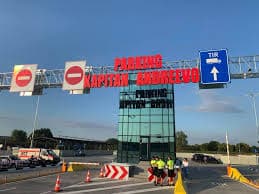
EU officials from the European Food Safety Authority (EFSA) have arrived at the Bulgarian border crossing Kapitan Andreevo to conduct inspections on the import of Turkish fruits and vegetables. For years, this border crossing was controlled by Bulgarian criminals and was used for drug trafficking and extortion.
Food products treated with banned substances were also reportedly being smuggled into the EU.
The Kapitan Andreevo border post has long been known as one of the main smuggling routes from Asia to Europe. The lack of control is also one of the reasons why Bulgaria has not yet been admitted to the Schengen Area. The criminal group accepted bribes at the border inspection and extorted companies, but Bulgarian authorities turned a blind eye for years.
Promotion
The Netherlands is one of the EU countries blocking Bulgaria’s admission to free movement of Bulgarians because corruption and cronyism are still widespread in the country. Due to rampant corruption, a huge amount of insufficiently inspected food with high levels of pesticides has been imported into the EU. The import of cheap vegetables and fruit from Turkey is also a major problem for Bulgarian farmers.
Bulgarian Deputy Minister of Agriculture Ivan Hristanov calls the border crossing the most important land connection in Europe and the second most important worldwide, after the border between Mexico and the USA, as it is the main land corridor between Europe and Asia.
The Bulgarian budget is estimated to have lost about 1 billion euros in customs revenue over the past ten years. Over the past two months, the Bulgarian state has been trying to regain control over the border, and pesticide tests are now conducted in a state laboratory instead of by a private company. Since then, Deputy Minister Hristanov has been under police protection due to threats.