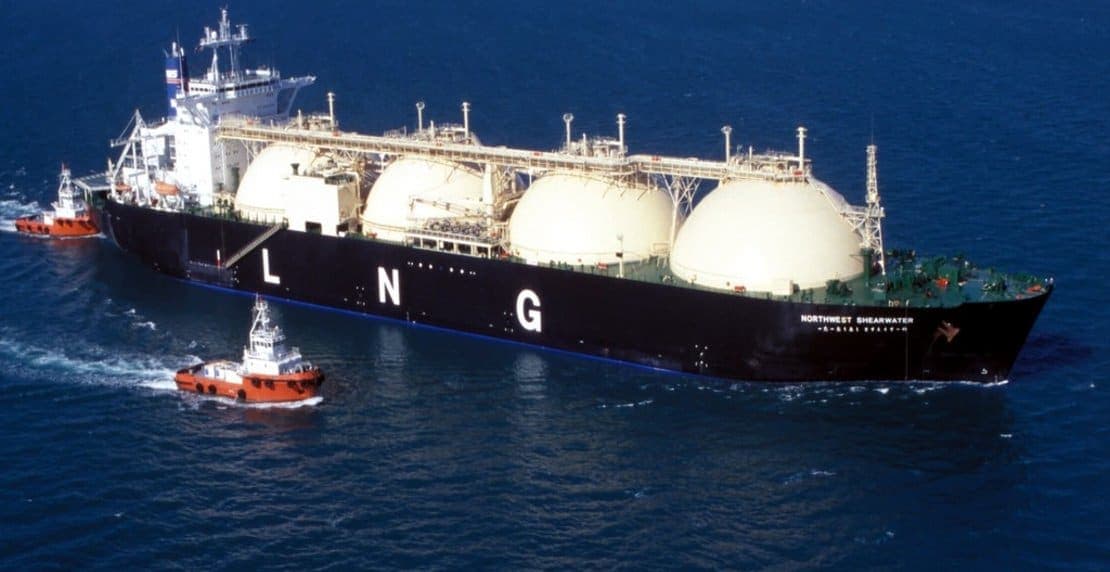
Approximately 686 million euros in EU subsidies are involved, which the European Commission is now seeking to reclaim. The funds were intended for the construction of liquefied natural gas (LNG) transshipment terminals in the Cypriot port of Vasilikos. The suspicion is that the funds were not used according to the rules and that there may be corruption and mismanagement involved.
An important related development is China's decision to withdraw as a financier of the Vasilikos project. China had initially committed to making significant investments. This withdrawal represents a major financial and logistical setback for the project and endangers its progress.
The increased capacity for transshipment of liquefied natural gas has become especially important after the European Union decided two years ago to almost entirely boycott gas imports from Russia due to the Russian war against Ukraine.
Alongside the European investigation, authorities in Cyprus have also initiated an inquiry into possible irregularities in the tender process for the project.
The LNG project in the Cypriot port of Vasilikos, originally intended to become Cyprus’ first import terminal for liquefied natural gas (LNG), was meant to play a crucial role in diversifying European energy supply. In other EU countries’ ports, transshipment terminals are also being constructed rapidly, with temporary installations already in use aboard moored vessels.
Several such additional transshipment installations are already operational in multiple EU ports. At the LNG terminal in the northern Dutch port of Eemsmond, two vessels with such transshipment installations are stationed. The liquefied natural gas is pumped at a temperature of -162 degrees Celsius. It is then immediately fed into Gasunie’s gas network. The LNG is imported from the Middle East and the Americas. Germany also uses five of these floating LNG installations.