

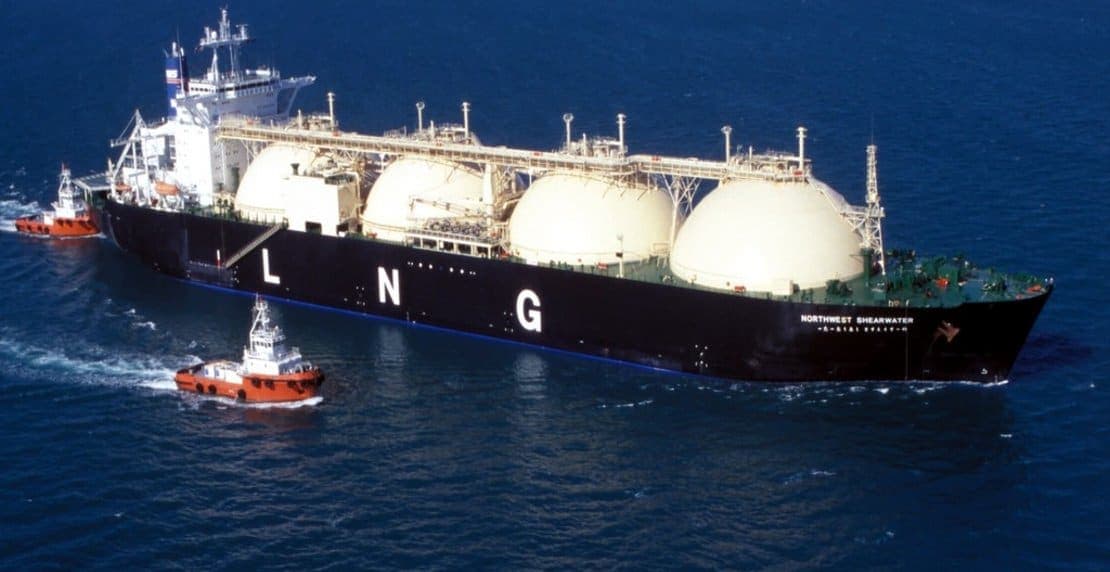
In the first half of 2023, EU countries bought over 22 million cubic meters of liquefied natural gas, compared to 15 million cubic meters in the same period in 2021, an increase of 40% .
Global Witness expects that EU purchases from Russia will be worth more than five billion euros this year. This increase is much larger than the global average rise in Russian LNG imports, which is 6%.
Earlier this year, Energy Commissioner Kadri Simson called for an end to the purchase of Russian LNG. Spanish Energy Minister Teresa Ribera urged Spanish buyers not to sign new contracts for Russian LNG and described the situation as “absurd”.