

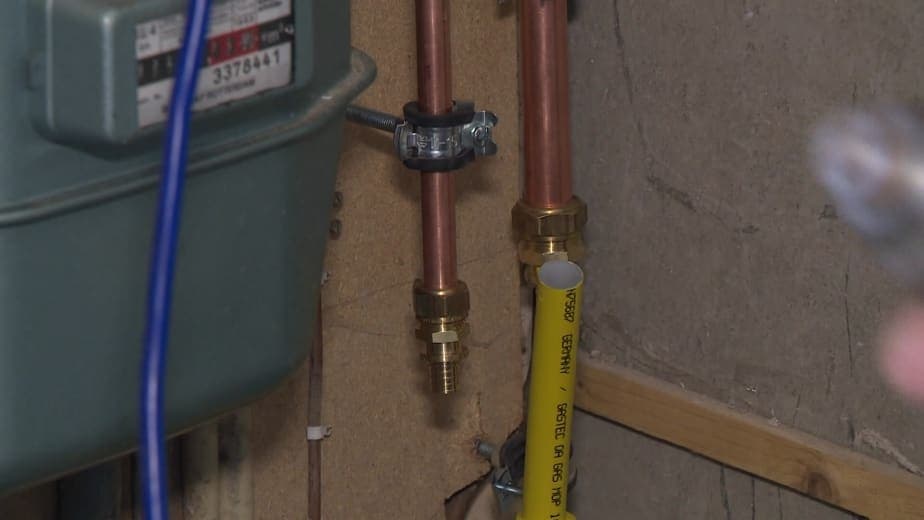
EU countries have decided to reduce their gas consumption by 15 percent next year. With this, the European countries aim to decrease their dependence on imports of gas and oil from Russia. The European Commission presented the emergency plan last week because it lacks confidence that Russian gas will continue to flow.
The intention is to consume 45 billion cubic meters less gas in the coming months. Ursula von der Leyen, Chair of the European Commission, states that with the deal, 'solid foundations have been laid for the indispensable solidarity among member states in light of Putin’s energy blackmail.'
The European Court of Auditors suspects that the European Commission’s plans will not be sufficient to make Europe independent from Russian gas and oil by 2030. The financing of the so-called preparedness program may be inadequate, warns the Court of Auditors.
Promotion
The European Commission has drafted a package of measures to disconnect European member states from gas, oil, and coal from Russia. By 2030, the EU should be completely independent from Moscow. The plan, named RePowerEU, foresees additional investments in renewable energy, among others, which could amount to 300 billion euros.
The funds come in part from the large coronavirus recovery fund. Additionally, the Commission wants to auction off 20 billion euros worth of extra emission permits, and EU countries can transfer funds originally intended for agriculture or cohesion policy.
However, according to the Court of Auditors, that plan is partially built on shaky ground because much depends on the willingness of member states to claim subsidies from the coronavirus recovery fund, as conditions may be attached to it.
Moreover, the money would be distributed according to the same key, but very different needs exist here, says the Court of Auditors. For example, Germany is one of the countries most dependent on Russian gas but is entitled to only 8.3 percent of the money according to those rules.