

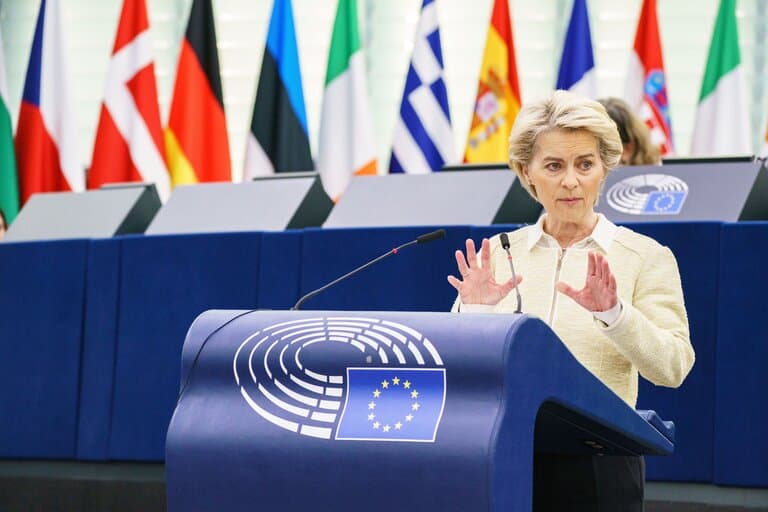
The European Union is imposing a boycott on Russian oil exports and is cutting off the largest Russian bank, Sberbank, from the international payment system. Plans are also underway for a complete boycott of Russian gas purchases later this year.
To achieve this, the EU wants to source gas from other countries and encourage businesses and households to use less gas. This must be accomplished by the end of this year at the latest.
According to EC President Ursula von der Leyen, efforts are underway to find alternative gas and oil suppliers worldwide, but this is not yet fully arranged. Due to the sixth sanction package against Moscow, energy supply for European agriculture, gas heating in greenhouses in Westland, and fertilizer production will remain uncertain for a long time.
Promotion
Von der Leyen and the EU commissioners also advocate for increased financial support for hosting Ukrainian refugees in Europe and for the reconstruction of Ukraine after the war. Von der Leyen stated that the EU's own economy will also suffer disadvantages from the stricter sanctions against Russia.
The EU will also impose personal sanctions against Russian military personnel involved in the massacre and war crimes in the city of Bucha. Procedures have already been initiated at the International Criminal Court (ICC) in The Hague. Additionally, the EU will remove several Russian 'propaganda channels' from European cable networks and media structures.
President Putin is meanwhile threatening counter-sanctions. He points out to the EU and the United States that he is considering stopping the export of certain Russian products and raw materials. Last week, he already halted gas supplies to Poland and Bulgaria.
Since the start of the war in Ukraine on February 24, EU countries have already purchased 47 billion euros worth of oil and gas from Russia. Putin finances his war against Ukraine with this revenue.