

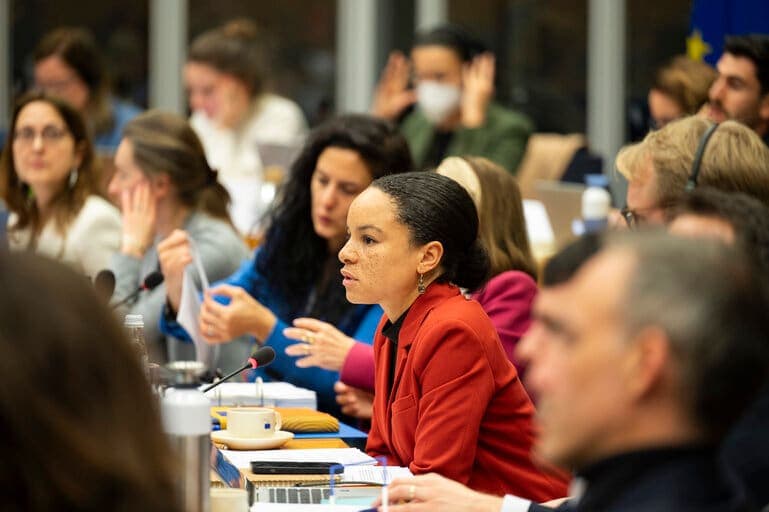
The draft treaty marks an important step in Europe's fight against modern slavery and human rights violations.
The deal, which is expected to be legally formalized after the European elections in June by the new European Parliament and the subsequent European Commission, is praised as a strong signal against human rights abuses worldwide.
The agreement comes at a time of growing concern over human rights violations in Xinjiang, China, where the European Union has focused its attention. With China as one of the EU's main trading partners, this ban is seen as pressure on China to revise its policies regarding forced labor.
Promotion
Furthermore, the European Union has indicated that the import ban will also apply to products from other countries and regions where forced labor takes place.
The announcement of the import ban has led to some tensions between the European Union and China. Chinese officials have dismissed the ban as interference in domestic affairs and have threatened countermeasures. They claim that China has already taken measures to improve labor conditions and accuse the European Union of acting with political motivations.
In response to Chinese criticism, the European Union has emphasized that the ban does not target a specific country but rather focuses on the principle of eliminating forced labor in global supply chains. The EU has repeatedly expressed its concern about the situation in Xinjiang and has called for more transparency and adherence to human rights.