

On Tuesday, the EU Finance Ministers will once again discuss via video conference which financial resources the European Union can deploy to absorb the economic and social impacts of the coronavirus crisis. This involves gathering hundreds of millions of euros from already existing funds and entitlements as well as tapping into new streams of money.
The relations between the southern EU countries and the northern countries are currently very tense. Two weeks ago, the Netherlands, Austria, Finland, and Germany blocked the launch of the ESM emergency fund. These countries are now being accused of not showing solidarity with Italy and Spain, which have been severely hit by the coronavirus.
Dutch Minister Wobke Hoekstra faces the difficult task of demonstrating that the previously negative Dutch stance has somewhat softened, but that the Netherlands still wants to negotiate cautiously. The Netherlands has already committed one billion euros of financial support to cover the medical costs of the coronavirus.
Promotion
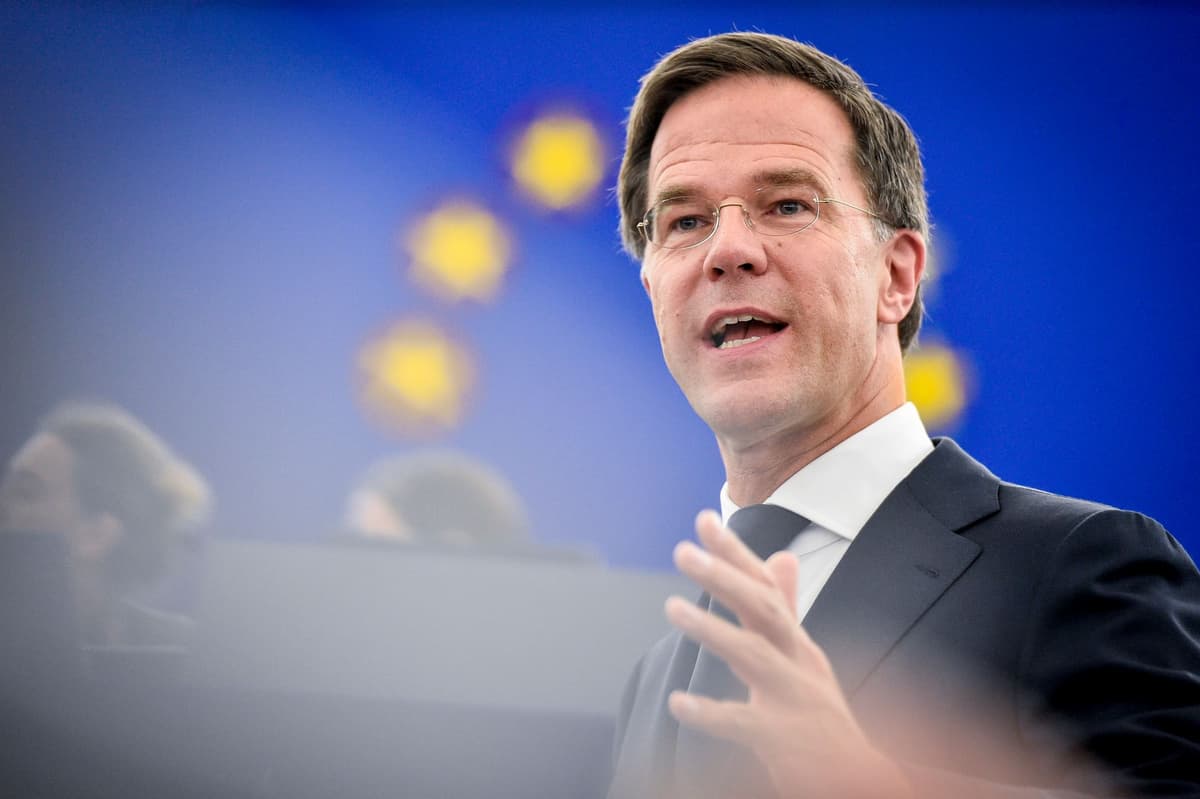
Regarding a recovery support package for the collapsed economy of those Southern European countries, the Netherlands remains more reserved. Prime Minister Mark Rutte announced last week that he would speak with the premiers of Italy and Spain, but this has not yet taken place. Prime Minister Rutte also does not want to use the ESM, launched in 2012 to rescue countries in financial trouble, without limits or conditions.
The European Commission has proposed borrowing 100 billion euros from banks on behalf of the EU. EU countries could then borrow favorably from the Commission to finance temporary benefits and reduced working hours. Under the leadership of Paris and Rome, several governments want to issue a new type of eurobonds. The Netherlands is strongly opposed to issuing such eurobonds because it would create joint debts amounting to billions. The Netherlands and Germany reject this firmly.
The head of that European emergency fund, the ESM, has called for solidarity among the EU countries. Director Klaus Regling advocates a joint financial response and pointed out last week that European debts are nothing new. A portion of the ESM fund could be quickly made available for countries in need. However, the Netherlands believes that these countries should restructure their economies at a later stage. Italy is absolutely against any conditions. The nineteen eurozone countries are the shareholders of this fund, but non-euro countries are also allowed to participate in discussions in Brussels today.