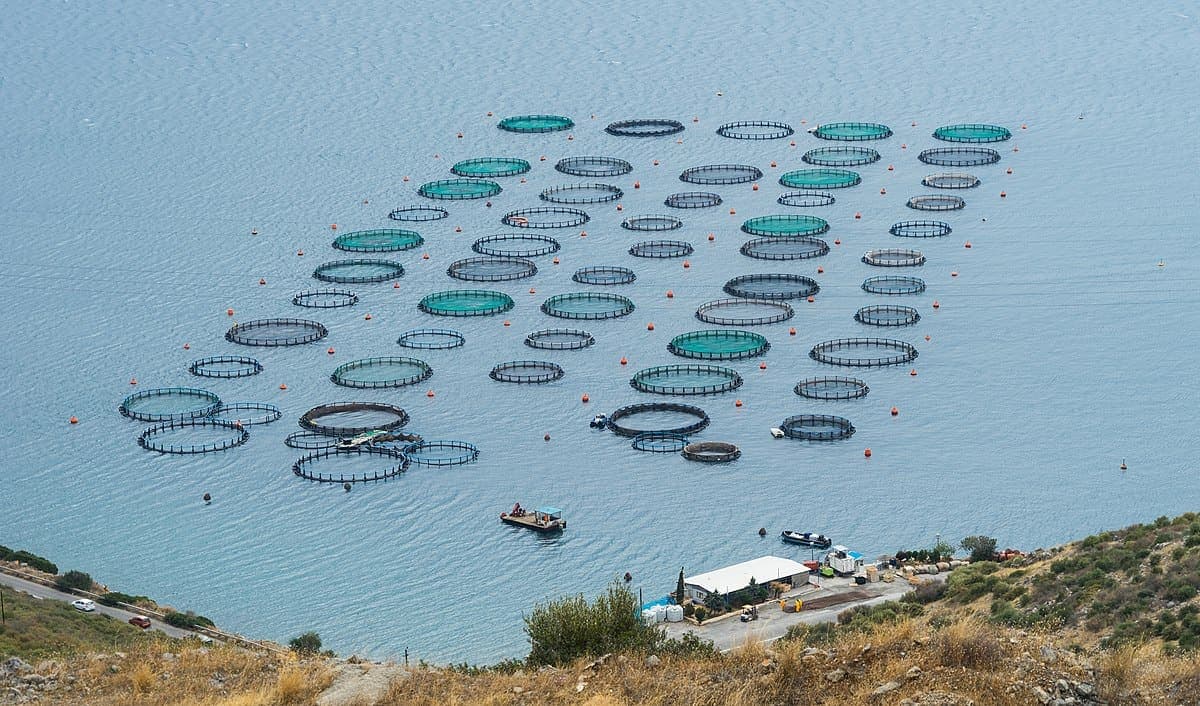
Aquaculture is an important part of the EU's blue economy strategy. According to Brussels, it contributes to food security and is promoted by the European Green Deal as a source of protein with a lower carbon footprint.
Aquaculture includes, among other things, the farming of fish, crustaceans and shellfish, algae, and other aquatic organisms. The farming takes place in marine, brackish, or inland waters, as well as commercially in basins with water recirculation systems.
In 2020, the total aquaculture production of the EU amounted to 1.1 million tons, or less than 1% of the global total. Spain, France, Greece, and Italy are the main aquaculture-producing EU countries. Together, they account for about two-thirds of the total EU production.
With substantial financial support from the European Maritime and Fisheries Fund, EU countries were able to guarantee the long-term viability of aquaculture and achieve economic benefits. However, the results are still pending and, according to the ECA auditor, cannot yet be reliably measured.
“In recent years, the EU has cast its net wide over much of the aquaculture sector, as this sector forms an important part of its blue economy strategy. But unfortunately, it has come up empty,” said Nikolaos Milionis, the ECA member who led the audit.
Despite the 1.2 billion euros available for the period 2014-2020, the auditors note that total EU aquaculture production has stalled. In Italy and France (the two largest aquaculture producers), production has even declined. The number of aquaculture businesses is decreasing, and the number of workers in this sector also declined between 2014 and 2020.