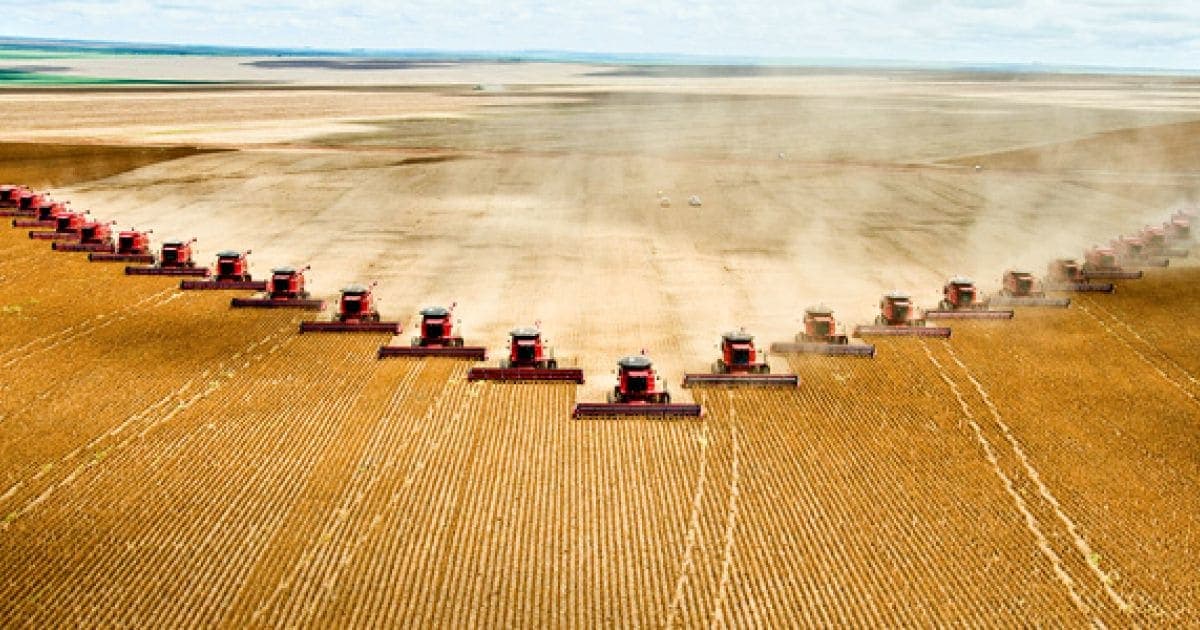
The three countries refuse to open their borders to grain and other agricultural products from Ukraine. They claim that their farmers cannot compete with cheaper Ukrainian agriculture. Brussels emphasizes that the new trade agreement actually provides safeguards for vulnerable sectors.
The updated trade deal with Ukraine came into effect last week. According to the European Commission, the agreement balances support for the Ukrainian economy with protection for farmers within the EU.
The Commission is currently in talks with the three reluctant governments to convince them to lift their trade restrictions. If these talks do not yield results, Brussels does not rule out legal action at the European Court of Justice.
However, the Polish and Hungarian Ministers of Agriculture remain firm. They believe the European Commission pays too much attention to Ukraine and too little to the position of their own farmers. Slovakia also considers the safeguards in the new agreement insufficient.
The conflict is not only about agriculture but also politics. In Poland, Hungary, and Slovakia, the matter is sensitive, especially after protests from farmers who feel disadvantaged by cheap imports from Ukraine. Moreover, Hungary and Slovakia adopt a pro-Moscow stance within the EU and oppose excessive military and financial support to Kyiv.
The European Commission calls the import bans "in violation of internal market rules" and says they undermine the EU's common trade policy. Nevertheless, Brussels emphasized in an initial response that consultations are preferred over legal enforcement.
Behind the dispute over agricultural imports lies a larger debate: Ukraine’s accession negotiations with the European Union. The very large size of Ukraine's agricultural sector compared to that of European farmers constitutes a major stumbling block in those negotiations.