Negotiators from the European Union and New Zealand have signed a joint trade agreement. Additionally, New Zealand will become part of the Horizon Europe research and exchange program. The EU has reserved billions for research and innovation.
At the signing, Ursula von der Leyen, President of the European Commission, said the agreement could increase trade between the two partners by an estimated 30 percent.
EU investments in New Zealand could grow by up to 80 percent, said Trade Commissioner Valdis Dombrovskis. According to EU countries, EU exports to New Zealand alone could grow by €4.5 billion annually.
The trade deal has been negotiated for five years. The agreement still needs to be approved by EU member states and the European Parliament and is expected to come into effect in 2024.
The agreement promises new opportunities and economic benefits for both regions. Meanwhile, the previously stalled negotiations between the EU and Australia now seem to be in their final stages, as an Australian trade delegation is expected in Brussels this week.
Damien O’Connor, New Zealand’s Minister of Trade and Export Growth, described the agreement as an opportunity to open doors to new possibilities. This trade agreement is expected to deliver significant economic benefits.
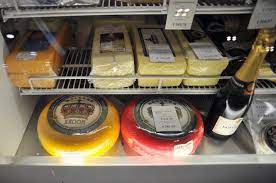
The European agriculture and dairy industries will also be affected by this trade agreement. Although the deal offers advantages for New Zealand farmers, European farmers and dairy producers are concerned about potential competition. They fear that cheaper imports from New Zealand could reduce their market share and depress prices.
To address these concerns, provisions have been included in the agreement to protect the European agriculture and food sectors.
While similar trade talks with Australia previously stalled over disagreements concerning the dairy clause, the recently resumed negotiations now appear to be in their final phase. Australian Trade Minister Don Farrell is traveling to Brussels this week to break the deadlock.
Earlier, both parties expressed determination to reach an agreement, but Australian farmers have called on their government to forgo a deal with the EU if it remains unfavorable to them.