

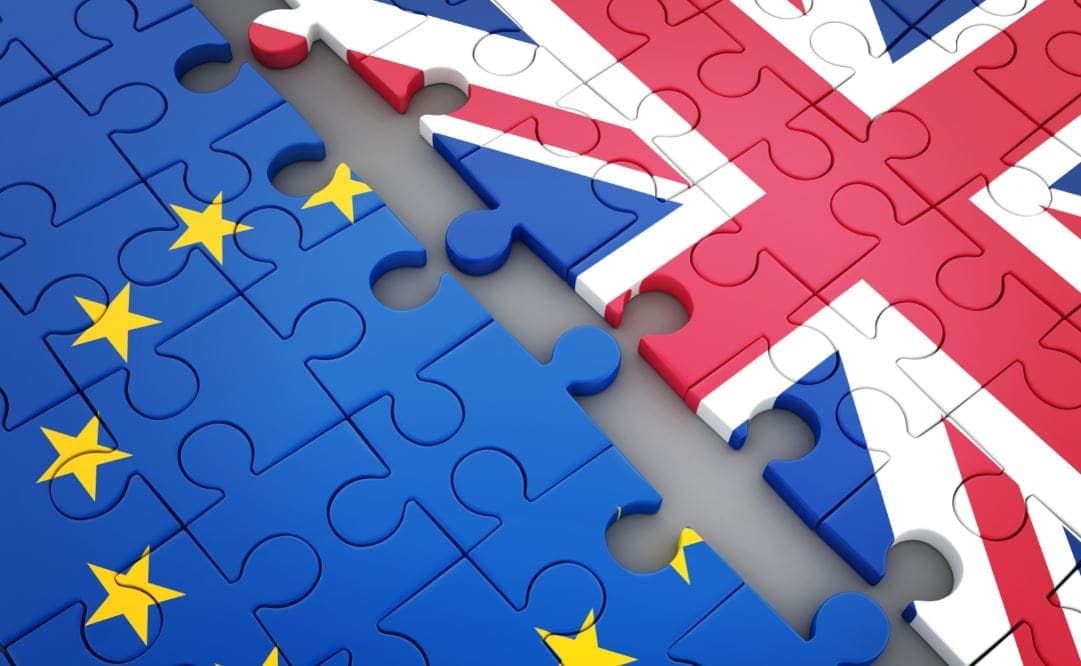
Negotiators from the European Union and the United Kingdom have reached an agreement on their future trade relationship. This has prevented a British departure from the EU without trade agreements, and also the introduction of trade barriers and WTO import tariffs in two weeks. A customs chaos was also threatened.
The long queues at Dover in recent days had, admittedly, a different cause (travel restrictions due to corona), but many saw them as a forewarning of the future Brexit reality.
EU leaders emphasize that the provisional treaty includes mechanisms to enforce the agreements made, and if necessary to still impose import tariffs if the agreement is violated. The British Parliament will vote on the deal on December 30. The European Parliament may vote as early as December 28. All 27 EU member state governments must also agree.
Promotion
The final contentious points concerned fishing. That issue had seemed unsolvable for a long time. The United Kingdom demanded full control over its own waters, while the EU wanted to maintain the current situation as much as possible. Agreements were now made that largely leave the sector untouched for the next 5.5 years. In the longer term, European fisheries will have to concede. Further negotiations on this will take place in the coming years.
It is difficult to say exactly what the full treaty with agreements looks like: the accord runs to about two thousand pages and the text is technically complicated. Reportedly, seed potatoes from Scotland are for some reason excluded from the agreements, and there may be a maximum quota and possibly European import duties. The Scots have already reacted furiously to their sellout by Boris Johnson.
The United Kingdom left the European Union earlier this year and has since no longer participated in decision-making in Brussels. However, in this transition year, the country remained de facto an EU member by extended participation in the EU internal market and customs union. That transition period ends on December 31.
The absence of an agreement would mean that trade between the UK and the EU would have to take place overnight according to World Trade Organization rules. That means tariffs and quotas would apply, resulting in significant economic damage. What the precise consequences will be for the Dutch economy and industries will become clearer in the coming weeks.