Those two countries believed that the current Union must first reorganize and modernize itself before admitting newcomers. It is unclear whether the Russian war against Ukraine has changed this view.
The European Parliament believes that not only Moldova and Ukraine should be candidate members, but also Bosnia and Herzegovina. However, the MEPs feel that the accession criteria should be revised: negotiations must be completed within six years, and interim penalties should also be enforceable.
The parliamentarians see the enlargement policy as the EU's strongest geopolitical asset, especially given the increasing threat from Russia. Already, countries wishing to join can align their foreign and security policies with those of the EU. Some are doing so.
However, the MEPs view Serbia critically, as it does not comply with EU sanctions against Russia. According to MEP Tineke Strik (GreenLeft), the Russian aggression has 'rightly' led to greater momentum for EU enlargement.
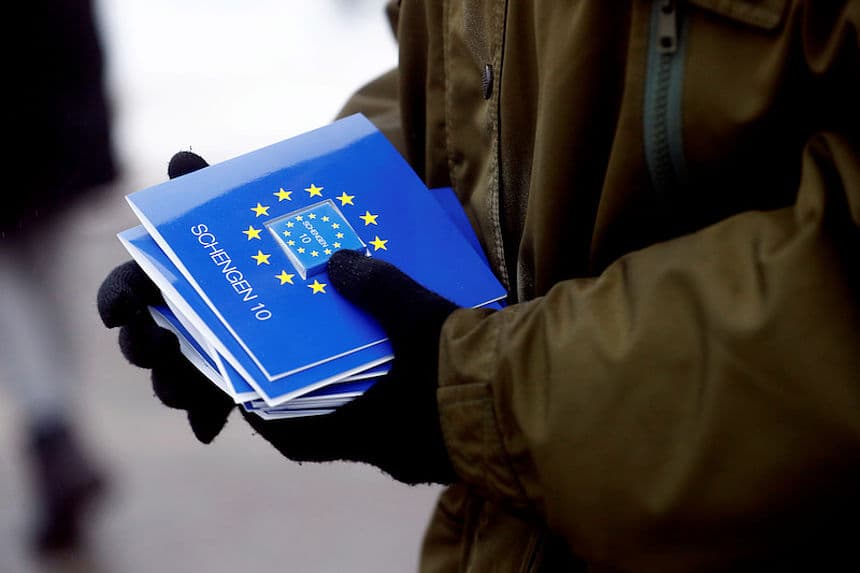
The Netherlands remains opposed to the accession of Bulgaria to the free-travel area within Europe, the Schengen area. Romania and Croatia, however, are ready to be admitted. According to Dutch Prime Minister Mark Rutte, Bulgaria does not yet meet the conditions to allow Bulgarians to travel through EU countries without passport controls.
Rutte called the decision to admit Romania now "a big step," after the Netherlands had blocked their accession to the Schengen arrangement for years. The European Commission and the European Parliament believe that all three EU countries have complied with agreements made in the past.
The issue will be discussed on December 8 at the meeting of EU ministers of Justice and Home Affairs. Unanimity is required for votes on both the admission of new Schengen countries and the expansion of the EU.