

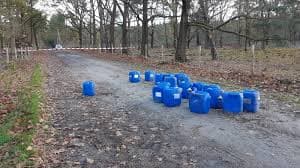
The European Court of Auditors (ECA) believes that EU countries need to better coordinate their classification of 'hazardous waste,' ensure traceability, and increase recycling.
The EU has been trying for decades to encourage designers and manufacturers to switch to using non-hazardous raw materials. Efforts have also been made to hold polluters responsible for their waste. But according to a new report by the European Court of Auditors, the amount of hazardous waste is only growing, and less than half of it is being reused.
"The production of hazardous waste is increasing, and the EU needs to address this problem," says Eva Lindström, the ECA member responsible for the analysis. "Recycling and energy recovery are the best ways to manage hazardous waste. Disposal should only be used as a last resort."