The trade agreements that the European Union has concluded in recent years have a positive effect on the economy, particularly on agriculture. This is evident from a recent update of a previous EU study from 2016.
European trade policy will have a positive impact on the EU agri-food sector through 12 international trade agreements, it is said.
The study concerns free trade agreements (FTAs) recently concluded as well as the trade agreements still on the EU agenda. Although trading partners gain market access in the EU, EU exports can also grow substantially as a result, according to the study.
EU exports of agricultural products to the 12 free trade partners are expected to increase by 25% (conservative scenario) to 29% (ambitious scenario), while imports will grow by 10% (conservative) to 13% (ambitious).
This corresponds to an increase in exports of agricultural products and foodstuffs by 4.7 billion euros (conservative) to 5.5 billion euros (ambitious), and higher imports of agricultural products and foodstuffs by 3.7 billion euros (conservative) to 4.7 billion euros (ambitious).
In several EU countries, criticism has grown in recent years of the free trade agreements the EU has signed with trade blocs. Recently, trade agreements with Indonesia and Mercosur have come under fire. The criticism comes from both environmental organizations and agricultural umbrella groups.
The environmental movement believes that the EU should impose much stricter environmental requirements on future trading partners. Agricultural organizations oppose the import of cheaper competing products and food.
At the presentation of the new study in Brussels, it again became clear that many Members of the European Parliament are against overly broad trade agreements. Many MEPs criticized the negative consequences of new trade agreements, including the one with Mercosur. Several MEPs called for a fairer distribution of EU funds among and within the member states.
Trade Commissioner Valdis Dombrovskis responded to this criticism by saying that supporting the agri-food sector will remain an important part of the EU’s trade policy, whether it involves opening the market, protecting traditional EU food products, or defending against dumping or other forms of unfair trade.
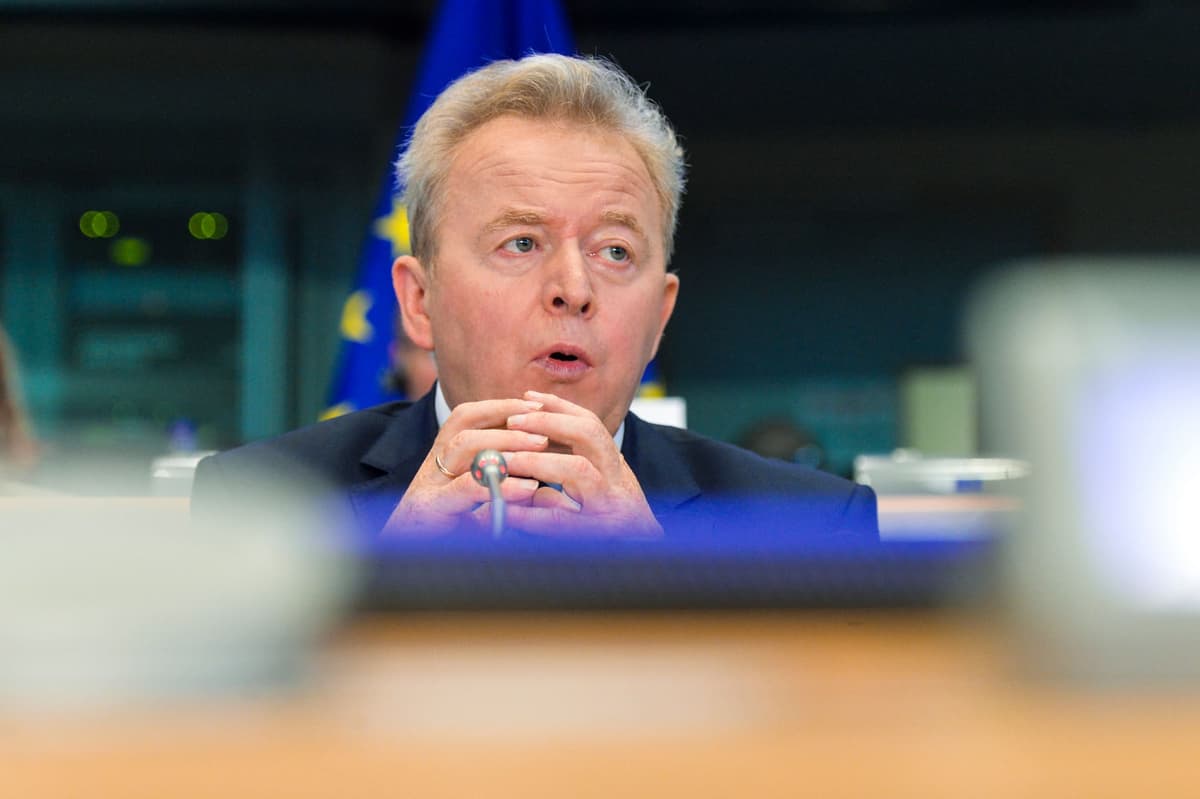
Agriculture Commissioner Janusz Wojciechowski also pointed out that “our ambitious trade agenda helps EU farmers and food producers to fully seize opportunities abroad while ensuring we have sufficient safeguards for the most sensitive sectors.”