

The finance ministers of the EU countries, like the European Parliament, also believe that a carbon tax should be imposed on imports from non-EU countries. Such a 'green customs border' is one of the key elements of the Green Deal climate laws proposed by EU Commissioner Frans Timmermans.
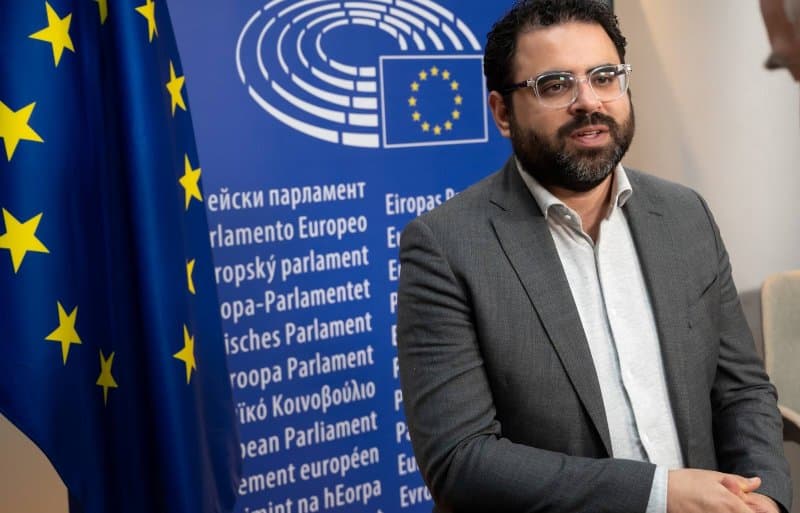
Dutch Labour Party MEP Mohammed Chahim is working as rapporteur on these legislative proposals on behalf of the European Parliament. He is pleasantly surprised by the quick agreement among the EU countries, but also critical.
“It is promising that European member states have quickly agreed that sectors outside Europe must also take action to reduce CO2 emissions. But the proof of the pudding is in the eating: the agreement of the finance ministers still leaves many questions unanswered about important details of this Carbon Border Adjustment Measure CBAM (pronounced: kee-bam).”
Promotion
Companies in Europe have long paid for their CO2 emissions. To maintain a level playing field with industries outside Europe, they currently receive free emission allowances as compensation. If the CBAM legislation is implemented, these free emission allowances will be phased out and eventually disappear.
The Tuesday agreement reached by the finance ministers does not mention anything about phasing out these free emission rights. Chahim: “Precisely that elephant in the room remains unaddressed. Let us not forget that CBAM is primarily a climate measure.
This measure aims to prevent polluting European production from relocating outside the EU (carbon leakage). But for me it is crystal clear: no CBAM without clarity on the phase-out of free emission allowances.”
The European Parliament is still determining its position on the carbon import tax. Led by Chahim, over 1,300 amendments submitted on the proposal are currently being processed.
The European Parliament is expected to vote on CBAM on May 11, after which it will enter (trilogue) negotiations with the member states (the European Council) to bring the legislative proposal to a final agreement.
This new legislation will have consequences for trade agreements the EU can conclude with non-EU countries. The failure to apply 'equal rules' has already led to the Mercosur agreement with South American countries not yet being approved. The new carbon customs charge will likely apply only to part of the food and agricultural production.