

The energy produced is currently used for electricity and heat generation at the facility itself and for supply to the local energy company Klejtrup Varmeværk. Gasum plans to invest in upgrading the Danish facility and connecting it to a larger gas network to fully utilize its production capacity.
Additionally, Gasum is building five new biogas plants in Sweden, with the first expected to start production in early 2025. Achieving this expansion could result in a total CO₂ reduction of 1.8 million tons per year. Biogas is significantly less harmful to the environment compared to traditional fossil fuels, and when produced from manure, CO2 emissions can even be negative.
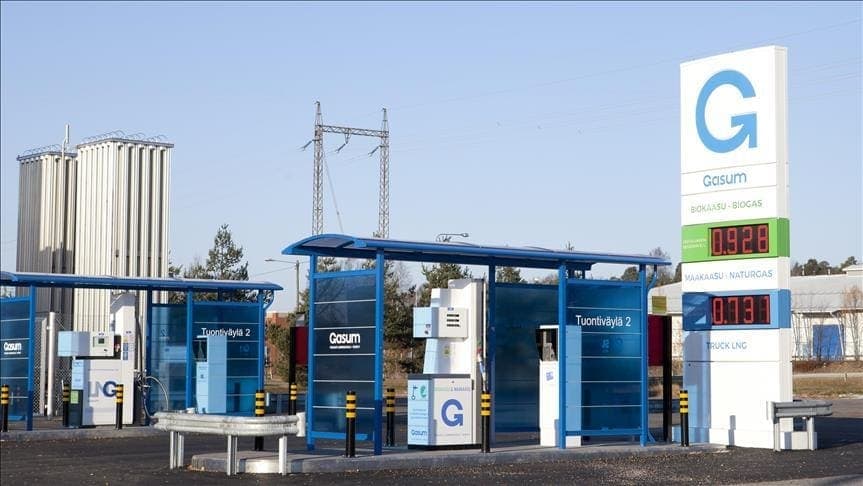
In Norway, the Finnish Gasum recently opened the country’s largest biogas filling station in Bærum, west of Oslo. It is strategically located along the E16 highway and serves affiliated companies in the region, enabling fossil-free transport between Oslo and Norway’s west coast.