

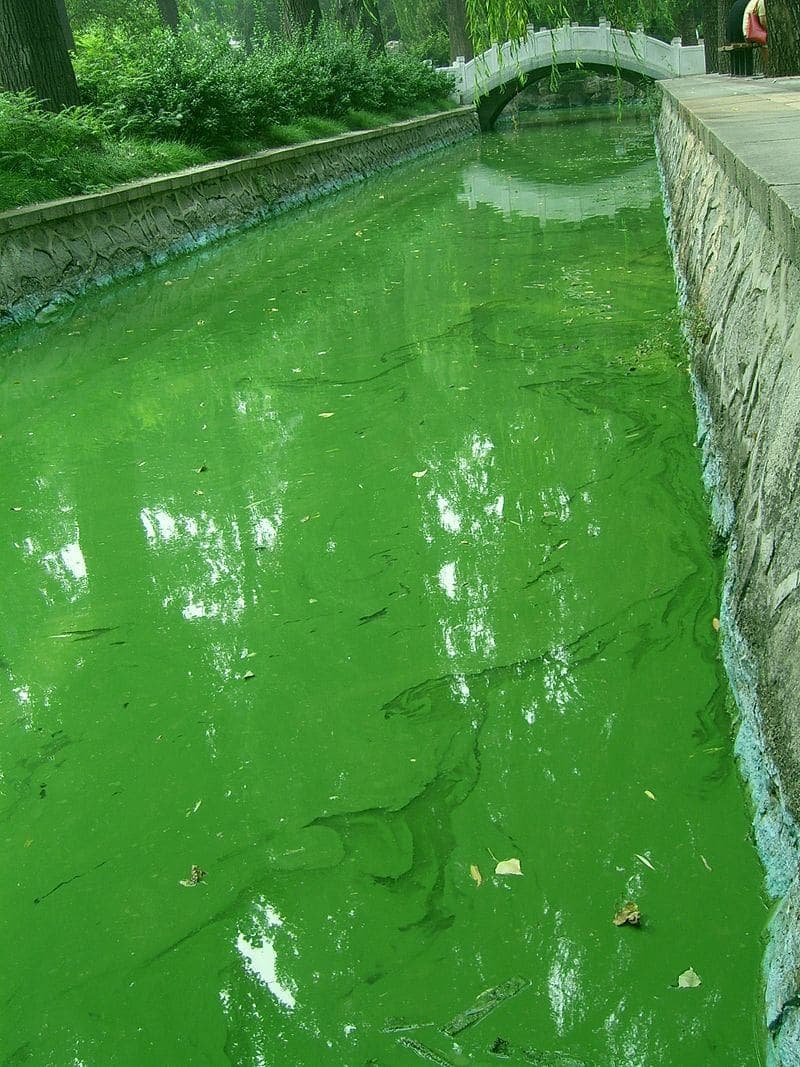
The lawsuit was brought forward by environmental activists and ecological groups. The excessive use of fertilizers and chemicals in agricultural practices leads to elevated nitrate levels in groundwater and surface water, the administrative judge also noted.
The rapid growth of algae in ditches and rivers not only has ecological implications but also economic consequences for fisheries and tourism. The abundant algal bloom reduces oxygen levels in the water, which is harmful to aquatic ecosystems and endangers fish populations. Moreover, it impacts the attractiveness of coastal areas for tourists, according to the ruling.
The environmental organization Eaux et Rivières de Bretagne described the ruling as an important signal. The organization pointed out that the French state has been unsuccessfully trying to reduce nitrate pollution through voluntary measures for over ten years. According to them, the current approach is insufficient. Environmental activists state that similar penalties were already issued in 2009, 2012, and 2021.
Promotion
In response to the verdict, the provincial government of Brittany declared that they understand the urgency of the problem and are determined to take action. It remains unclear which specific measures the province will implement.
The regional case also has broader implications for the rest of France and other EU countries facing similar environmental issues. The lawsuit demonstrates that pressure from both citizen groups and the EU itself to comply with strict environmental regulations is increasing.
European directives require EU countries to implement measures to reduce nitrate pollution levels, for example by reducing chemicals in agriculture and decreasing manure spreading.
Countries such as the Netherlands, Germany, and Ireland have already faced EU sanctions this past year for failing to comply with these directives. France has also been urged by the European Commission to enforce stricter monitoring of environmental law compliance.