

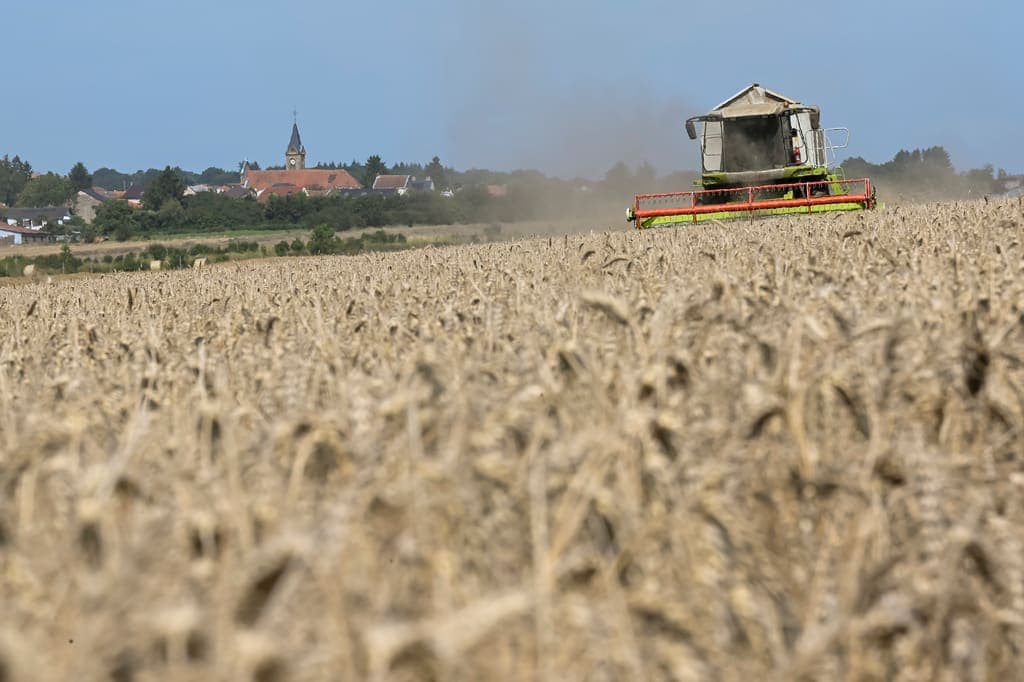
The German state ministers and Agriculture Minister Cem Özdemir failed to reach an agreement at their semi-annual AMK conference regarding the cultivation on fallow land. The European Commission has allowed the 27 EU countries to use this biodiversity set-aside area this year in order to maintain food supply.
Additionally, due to the Russian war against Ukraine and the loss of part of the grain exports, some organic measures have been postponed for a year. Furthermore, Brussels has permitted the use of chemical fertilizers on this fallow land this year.
The major disagreement between the sixteen German state ministers and the federal government concerns what may be cultivated: solely raw materials for the increasingly expensive animal feed (which is facing a shortage), or also grains and other human food products. Moreover, some states believe that the exception should not only apply to the current year but also to the coming year.
Promotion
Minister Özdemir and several states argue that there is no food shortage in Germany, Europe, or worldwide, and that any possible harvest for food production is much smaller than that for maize for animal feed.
The regional Agriculture ministers also failed to agree on a compromise proposal allowing one third of the land to be used for protein crop cultivation, one third for animal feed, and one third for food products. This proposal was also supported by the German Farmers' Association (DBV).
Because the Agriculture Ministers' conference can only make decisions unanimously, no decision was taken on the matter. Now, the fate of the biodiversity set-aside areas depends on the decision of the Federal Council on April 8. No unanimity is required there. Subsequently, the states decide for themselves, so the regional political coalition alliances in the states can still influence the outcome.