

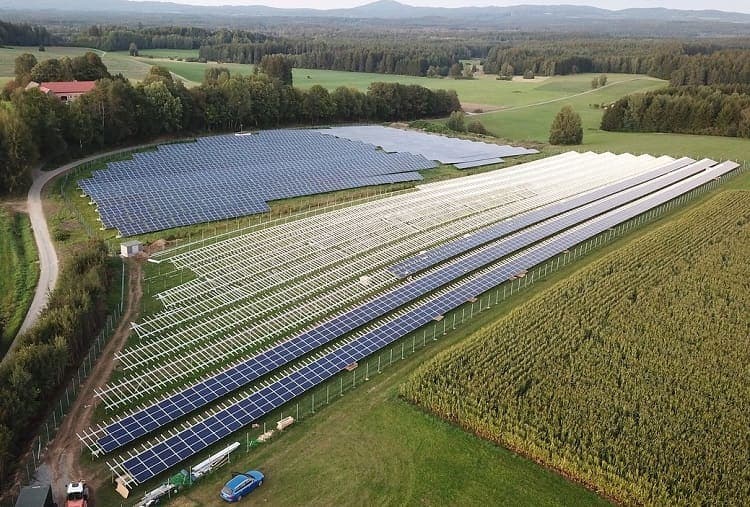
Germany will spend over three billion euros in subsidies over the coming years for collective district heating from renewable energy sources. The subsidy is also intended to accelerate the construction of 'green' biogas facilities.
Germany aims to be completely independent from imports of oil and gas from Russia within three years, thereby also significantly reducing its CO2 emissions.
The new subsidy program for both the conversion of existing district heating and the development of new climate-neutral networks received the green light from Brussels this week. The European Commission does not consider such subsidies to be distorting state aid.
Promotion
The German state aid is not only aimed at large energy suppliers and municipalities but also at private cooperatives or registered associations that can receive subsidies for investments in heat networks.
Especially in cities and densely populated areas, connection to climate-neutral district heating is considered the best solution to move away from oil and gas heating, both individual and collective, according to the German center-left traffic light coalition.
Germany depends on imports from Russia for more than three-quarters of its energy. To reduce that, Berlin is seizing every opportunity. Besides importing liquefied natural gas (LNG), plans include keeping coal-fired power plants open longer. Postponing the closure of nuclear power plants is apparently also under discussion, as is drilling for natural gas in the North Sea.
Minister of Economic Affairs Robert Habeck (Greens) announced plans last week for drastic energy savings, including expanding offshore wind turbines, solar parks, and biogas production facilities. Current limits on annual maximum production (and other legal obstacles) will be suspended by decree.