

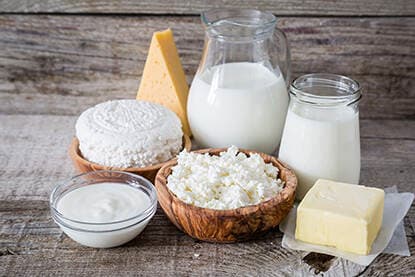
Nestle, Danone, the Bel Group, General Mills, Kraft Heinz, and Lactalis USA have pledged in Dubai to "account for and disclose" their methane emissions within their dairy supply chains. The six companies, collectively representing more than 200 billion dollars in revenue, also promised to develop and implement a methane action plan.
Furthermore, the European Union and the United States announced new investments in methane reduction at the Climate Summit. The EU is investing an additional 175 million euros to build administration and registration systems for methane emissions. The United States has introduced new standards that require oil and gas producers to fix their leaks.
According to European Commission President Von der Leyen, more than 260 billion cubic meters of natural gas are wasted annually worldwide due to flaring and methane leaks. That is five times the amount of gas EU countries imported from the US last year.
Promotion
Two years ago, the US and the EU launched an international initiative to jointly tackle the methane problem. Over 150 countries have since joined, including the Netherlands.
In European agriculture and livestock farming, various trials are currently underway, including in the formulations of animal feed. A final decision to subject large livestock farms to stricter bans on industrial emissions has recently been postponed to 2026 in the EU.
Members of the Belgian feed organization Belgian Feed Association (BFA) announced last week that they will jointly reduce methane emissions from cattle. Starting next year, each feed manufacturer will apply one measure from the Flemish Enteric Emissions Covenant to ten percent of their cattle feed for Flemish customers. BFA aims to reduce methane emissions from cattle by 26 percent compared to 2016 by 2030.