

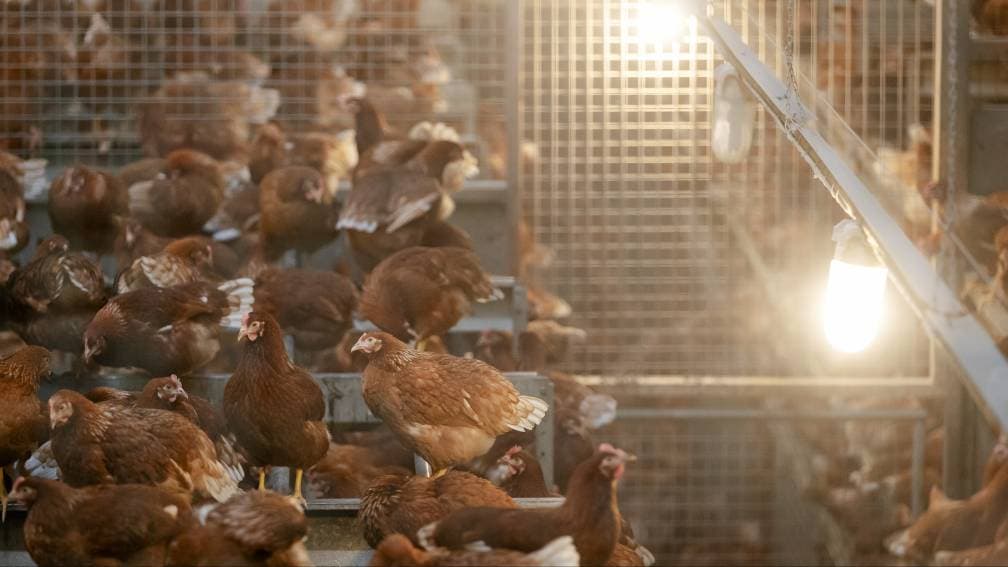
In the past year, approximately 5,300 cases of the HPAI bird flu virus have been recorded in domesticated and wild birds across 36 European countries. This is the highest level ever reported in a single epidemic season, according to the European Food Safety Authority EFSA.
The persistence of HPAI (H5) in wild birds suggests that the virus has become endemic in wild bird populations in Europe.
In total, 2,398 poultry outbreaks have led to the culling of 46 million birds on affected farms. More than half of the poultry outbreaks in Europe were caused by secondary spread from infected poultry to other poultry farms. In addition, 168 outbreaks were detected in domesticated birds and 2,733 HPAI cases in wild birds.
Promotion
In the Netherlands, a new case of bird flu was detected last week. Nationwide measures remain in place, including a ban on visiting bird enclosures unless absolutely necessary. At-risk birds include kept gallinaceous birds (such as chickens), waterfowl, and ratites.
In some regions, there is also still a housing and shielding requirement. The housing requirement applies to commercially kept birds. For non-commercially kept at-risk birds, for example in zoos and petting farms, and for commercially kept pheasants, ornamental waterfowl, and ratites, a shielding requirement applies.