

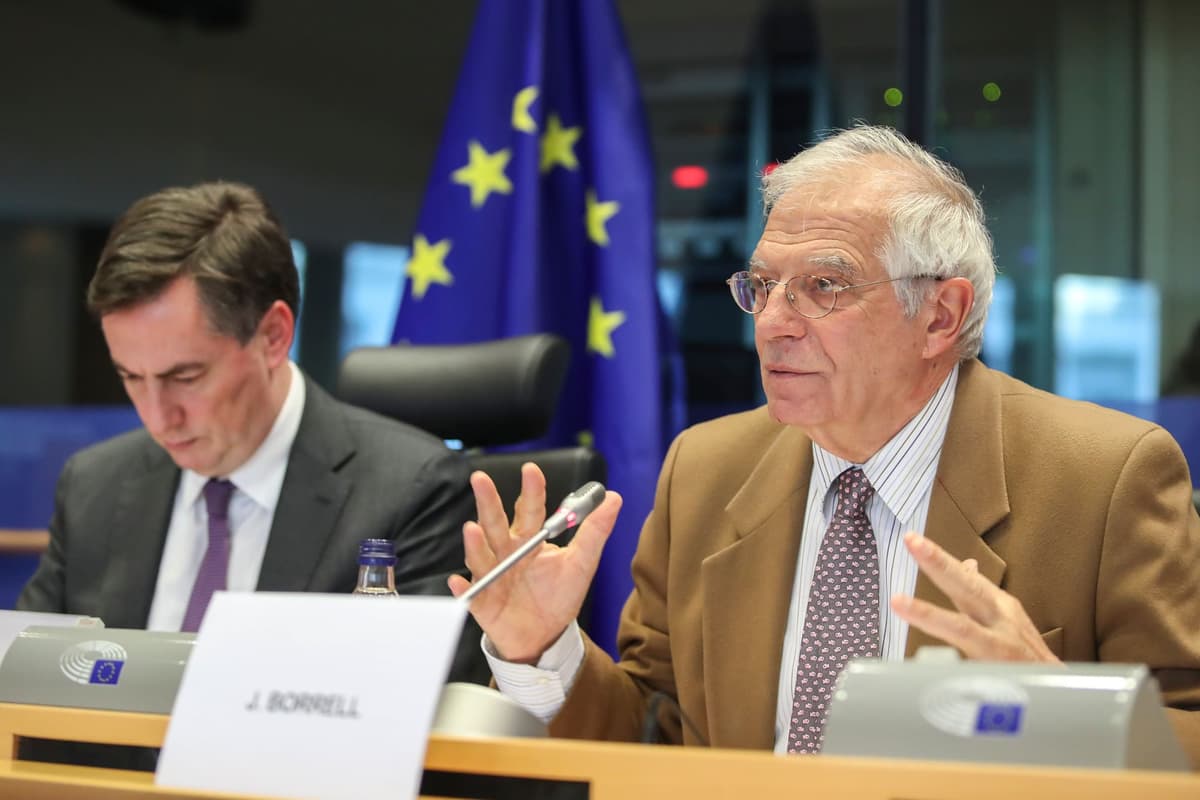
The European High Representative for Foreign Policy, Josep Borrell, has invited the Iranian Foreign Minister, Javad Zarif, to come to Brussels. It is not yet known if or when Iran will accept the invitation. The goal is to 'de-escalate' the situation in the Middle East following the deadly US attack on Iranian General Qassem Soleimani in Iraq.
In the Belgian capital, Secretary-General Jens Stoltenberg has convened the members of the NATO Council for an emergency meeting, which is to take place today. The Israeli security cabinet session initially scheduled for Sunday regarding the possible consequences of the killing of Iranian General Qassem Soleimani by the US military has been postponed to Monday, Israeli media report.
According to reports, the meeting will focus on how Israel can prepare for possible retaliatory actions by Iran against Israeli targets. Since the deadly US attack in Baghdad, Israel has been on heightened alert.
Promotion
On Sunday, Iran announced that it no longer considers itself bound by the 2015 international nuclear agreement. This decision could mean that Tehran will continue its nuclear program without restrictions and proceed with further uranium enrichment.
EU Commissioner Borrell announced his invitation to Iran a day after a phone call with Zarif. During that call, the High Representative emphasized 'the importance of de-escalating tensions, exercising restraint, and avoiding further escalation.'
Borrell also stated that he urged Zarif to maintain the historic nuclear agreement (with the permanent members of the UN Security Council plus Germany) from 2015. US President Donald Trump unilaterally withdrew from that treaty of his predecessor Obama in May 2018 and imposed sanctions against Iran. He also threatens sanctions against (European) companies that do not comply with the US boycott.
During the rising tensions between the US and Iran over the past year, the authorities in Tehran had already speculated about partially withdrawing from the international nuclear agreement of Vienna. The US unilaterally withdrew from it over a year and a half ago and imposed economic sanctions on Iran.
Despite those measures, the Islamic Republic adhered to the nuclear agreement for quite some time, while the European signatories tried to honor the terms, including trade, despite US retaliatory actions. Last year, however, Tehran began violating the terms of the deal with the world powers by enriching more uranium to higher concentrations than allowed. This brings the production of nuclear weapons closer.