

The party leaders of the governing coalition in Ireland have reached an agreement to reduce nitrogen emissions from the agricultural sector. Irish farmers are being asked to cut emissions by 25% by 2030 – taking into account several compensation measures.
Since the 2020 elections, a coalition of liberals, Christian democrats, and Greens has governed Ireland. The country's total nitrogen emissions must be reduced by 51% over the next eight years and reach net-zero emissions by 2050 to remain within the coalition agreement.
Currently, the distribution among different industries is being determined. According to earlier explorations, the reduction target for Irish agriculture should be between 22 and 30 percent.
Promotion
On the last day before the summer recess in Dublin, an agreement on the reduction target for agriculture was reached. Liberal Agriculture Minister Charlie McConaliogue and Environment Minister Eaman Ryan (Greens) were at odds for a long time, and a government crisis even threatened. The compromise of 25% means that representatives from all three governing parties are likely to be disappointed.
Agriculture is responsible for 37.5% of Ireland's total greenhouse gas emissions, by far the largest of all sectors. The sector’s emissions increased by 3% last year, marking the second consecutive year of growth in agricultural emissions.
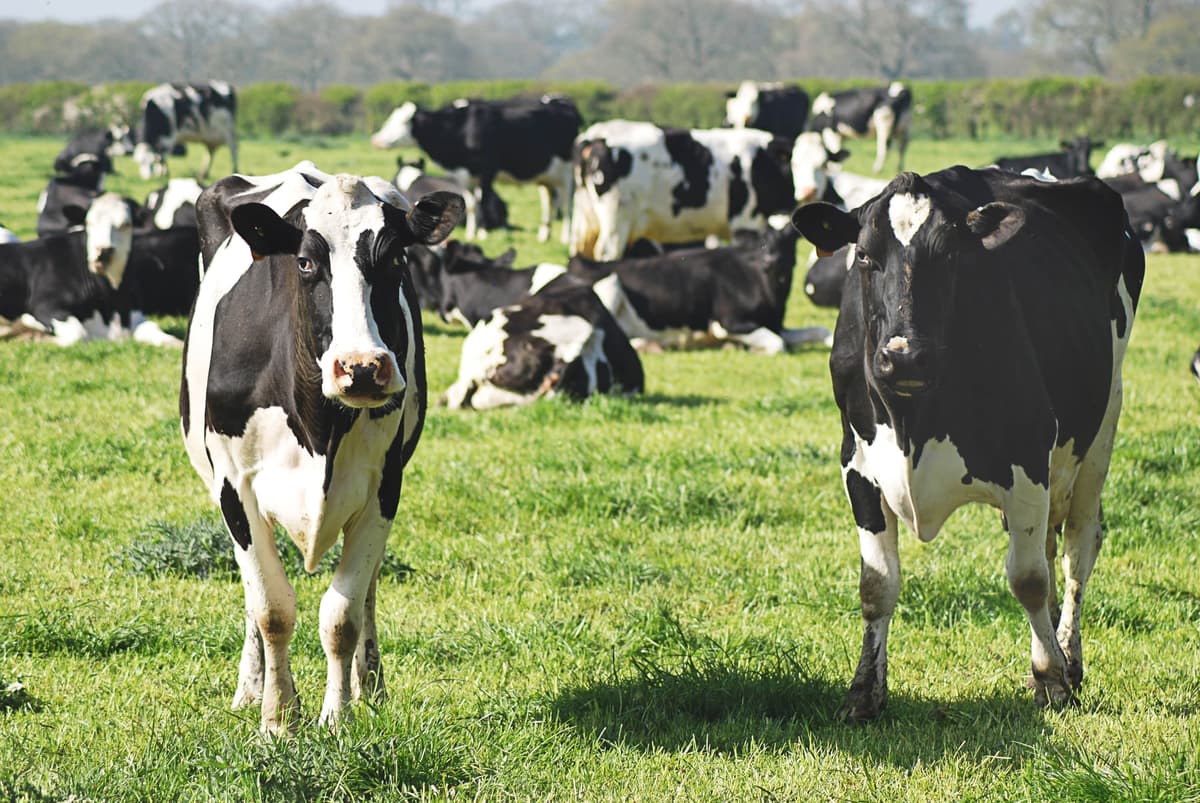
The causes cited include the use of nitrogen fertilizer, a higher number of dairy cows, and an increase in milk production. The number of dairy cows has risen for the eleventh consecutive year, while milk production per cow also increased by 2.5%.
Earlier this week, Irish Prime Minister Martin said that Ireland “must balance the issue of food security with the climate problem.”