

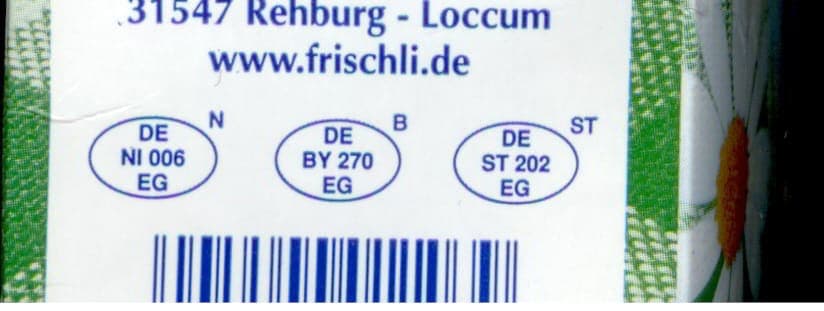
The new labeling is being called a major milestone in Germany for consumer information and increased transparency in the food and meat industry. Berlin aims to encourage consumers to consciously choose local German products and thereby support German livestock farming.
The new regulation no longer applies only to packaged meat in supermarkets but also to loose meat sold at the butcher or market. Until now, the origin labeling already applied to beef, but from this week it applies to all types of meat. Sausages and processed products are still excluded from the rules.
BMEL Minister Cem Özdemir (Greens) wants to further expand this origin system, not only in Germany but also throughout the entire European Union. He claims to be exerting pressure on Brussels to ensure the system is implemented at the EU level. The European Commission has not yet proposed any legislation on this.
Promotion
In some EU countries, there are calls for a uniform European food label that would also indicate how healthy or sustainable a product is. There is still no consensus on this. Germany did not want to wait for that.
The German meat industry generally reacts positively to the new law. However, it is noted that the new label states where the animal was born but not where or how it was bred or raised.
The German broadcaster WDR reports that the new legislation had been a subject of debate for some time and has now finally been implemented. It expands existing rules and strengthens consumers’ positions regarding access to detailed information about the origin of meat products.