

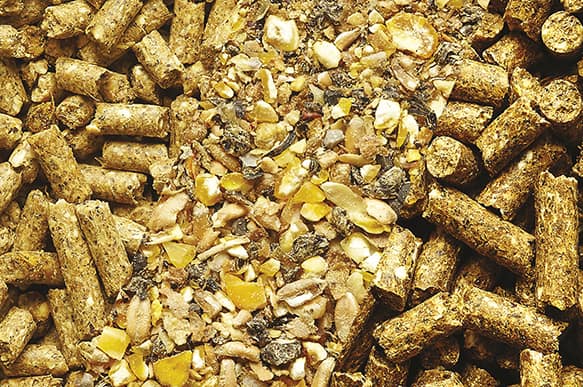
The European Union established guidelines years ago to limit the use of GMO feed. These guidelines arose from concerns about possible health effects and the desire to protect biodiversity. EU countries agreed to gradually transition to GMO-free animal feed. However, the exact timing and implementation of these bans varied by country.
Last month, however, the European Commission approved the import and use of two new genetically modified corn varieties, for both human consumption and animal feed.
That approval came after thorough evaluation by the European Food Safety Authority (EFSA). With this approval, European farmers and food manufacturers can continue using these GM corn varieties.
Promotion
The main reason for the postponement in Poland is the reliance on imported (mainly Brazilian) GMO soybeans, which are largely genetically modified. This product is essential in Polish livestock farming as a protein source for animal feed.
Local alternatives, such as European soybean meal or other GMO-free protein sources, are currently insufficiently available or significantly more expensive. This would increase production costs for farmers and weaken the competitiveness of the Polish agricultural sector.
Poland is not the only country struggling with the implementation of the GMO ban. Several EU countries have previously eased or postponed these measures. Germany and Spain, for example, have shown some flexibility in their policies due to a heavy dependence on imported animal feed and the challenges in finding viable alternatives.
France, despite strict GMO regulations, has also allowed exceptions for certain animal feed imports to ensure continuity in the agricultural sector.