

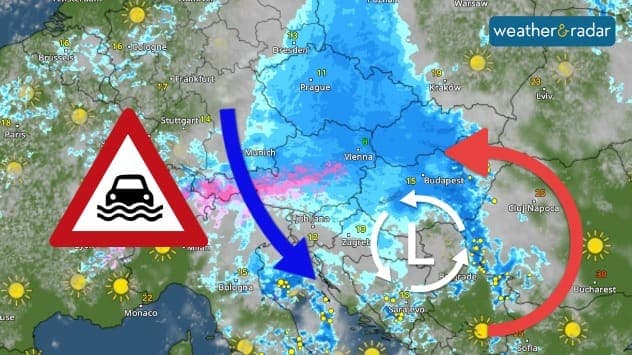
The Polish government is advocating for more funds from the EU solidarity fund and points out that the floods are not just a local problem, but also have wider economic and environmental implications for the whole of Poland.
One of the main arguments Poland presents is that the damage to the agricultural sector is especially severe, with long-lasting effects. According to Polish producers, not only have crops been destroyed, but large areas of farmland may be permanently unusable due to contamination with chemical residues.
The silt deposited on the fields may also contain toxic substances released from sewage systems, posing a “ticking time bomb” for food production. The Polish government states that large-scale industrial decontamination is needed to make these soils safe again for agriculture.
Promotion
Furthermore, livestock farming has been severely impacted because farmers are unable to feed their animals due to the destruction of their feed supplies. A national relief effort has been initiated, with farmers from other regions donating hay and other feed, but this aid is only a temporary solution. Poland is therefore requesting structural EU support for the rebuilding of the agricultural sector.
Another point Poland raises is the impact on public health and food safety. Warnings have been issued that crops submerged underwater are not fit for consumption. Contamination of agricultural products poses a major risk, leaving many farmers facing huge losses as they cannot use or sell these crops. Poland emphasizes that rebuilding this sector is crucial to avoid further economic instability.
The European Commission has responded moderately positively to Poland's request but has also indicated that additional studies are needed to determine the extent of the damage. While Poland is appealing to the EU solidarity fund, the Commission notes that this fund is only intended for crisis situations. Additionally, the Commission points out that Poland must also take its own measures to mitigate the consequences of such problems, including investing in infrastructure and implementing other preventive measures.