

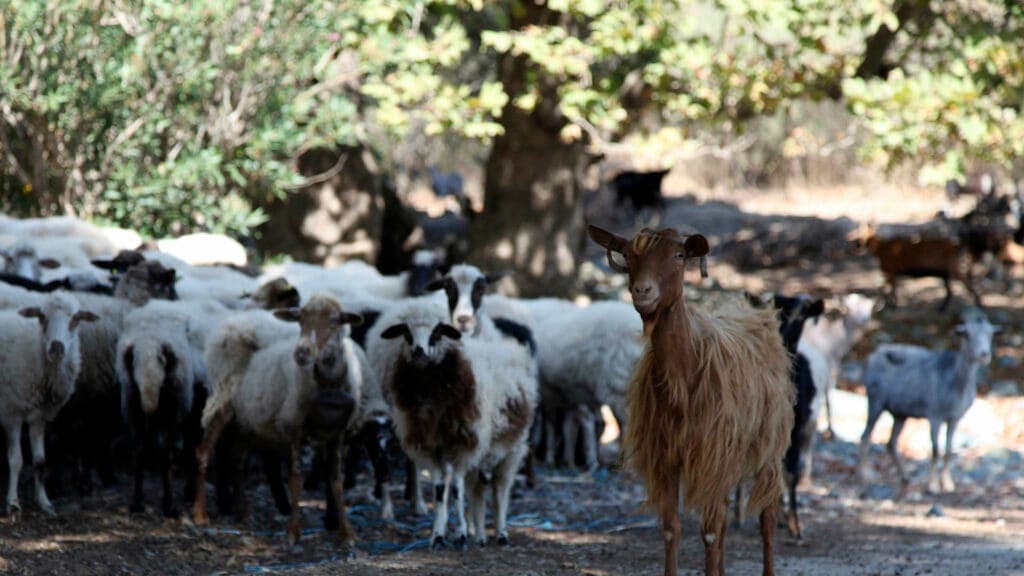
So far, 22 cases have been confirmed in Greece. The outbreak has led to strict measures by the Greek authorities to prevent further spread. A nationwide transport ban has been imposed, delivering a heavy blow to trade in these animals. The government has also enforced quarantine measures in affected areas and is conducting large-scale vaccination campaigns.
The situation in Greece also affects neighboring countries. In Romania, 37 active outbreaks of PPR have already been reported, mainly in the Caraș-Severin region, where 28 villages have been placed under quarantine. Romanian authorities have taken similar measures as in Greece, including a transport ban for sheep and goats and intensive monitoring of the situation.
Concern is also high in Poland and Hungary. The Polish and Hungarian authorities are closely monitoring the situation in Greece and Romania and are preparing emergency plans to quickly manage a potential outbreak. The Polish livestock sector has already been placed on high alert, and steps have been taken to limit imports of sheep and goats from affected areas.