

The new EU regulation introduces an additional legal guarantee of 12 months and ensures that independent repairers get better access to spare parts. Moreover, it prohibits manufacturers from using clauses or software and hardware techniques that hinder repair.
Furthermore, suppliers must cooperate to allow technically repairable products such as vacuum cleaners, washing machines, televisions, tablets, and smartphones to be repaired even after the warranty period.
In some cases, a replacement device must be lent during repair and the warranty period must be extended after the repair.
Promotion
With this, the European Union aims to ensure that fewer items end up on the scrap heap and fewer raw materials are wasted. According to Brussels, the proposal could lead to 18 million tons less CO2 emissions over 15 years.
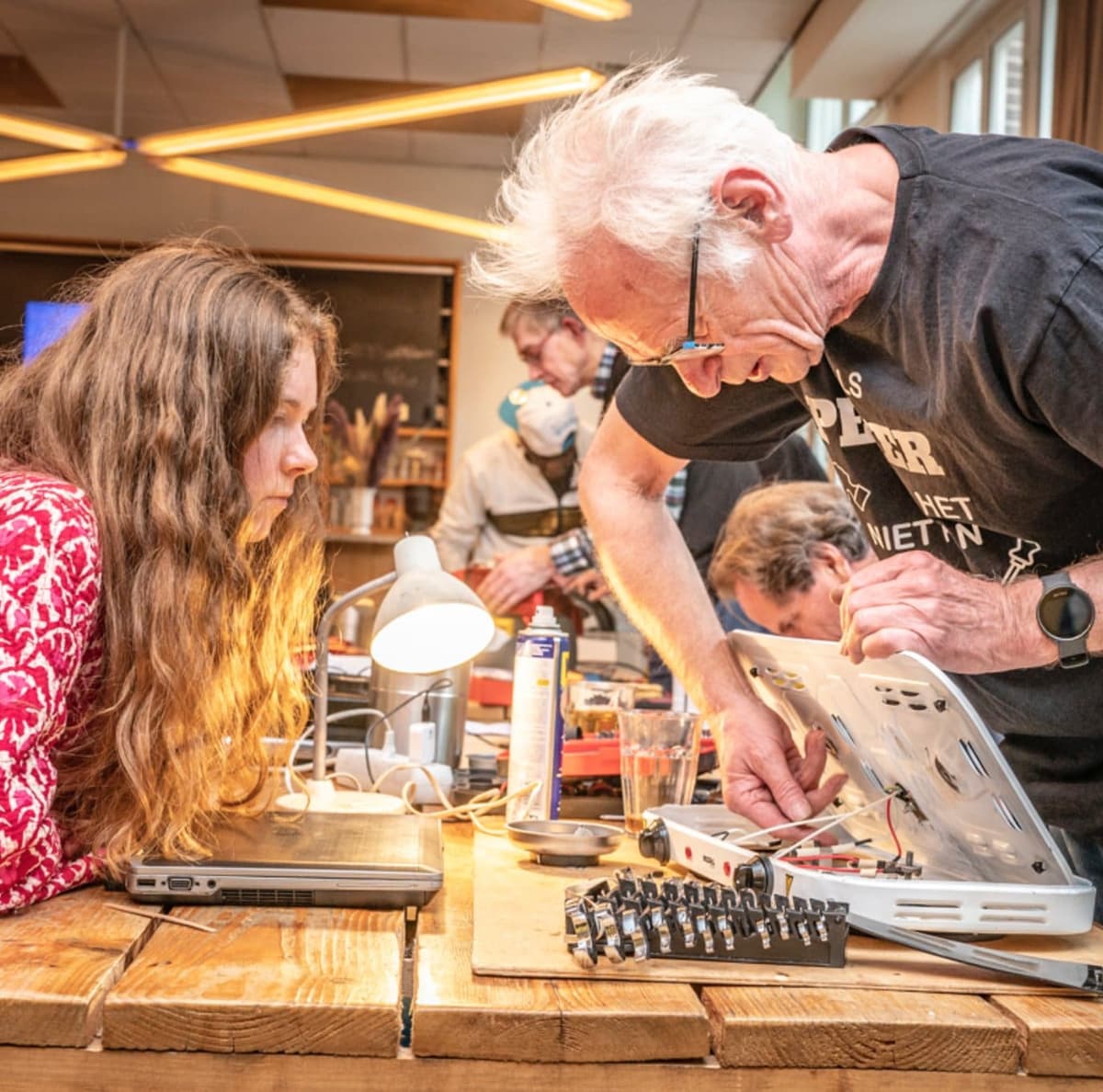
The European negotiators agreed that each EU country must introduce at least one measure to promote repair, such as vouchers, information campaigns, courses, or support for private repair clubs. Repair Cafés are free meetings where people help each other fix broken items, often providing tools and materials.
Once the directive is adopted by both the Council and the Parliament and published in the Official Journal of the EU, member states will have 24 months to transpose it into national law.