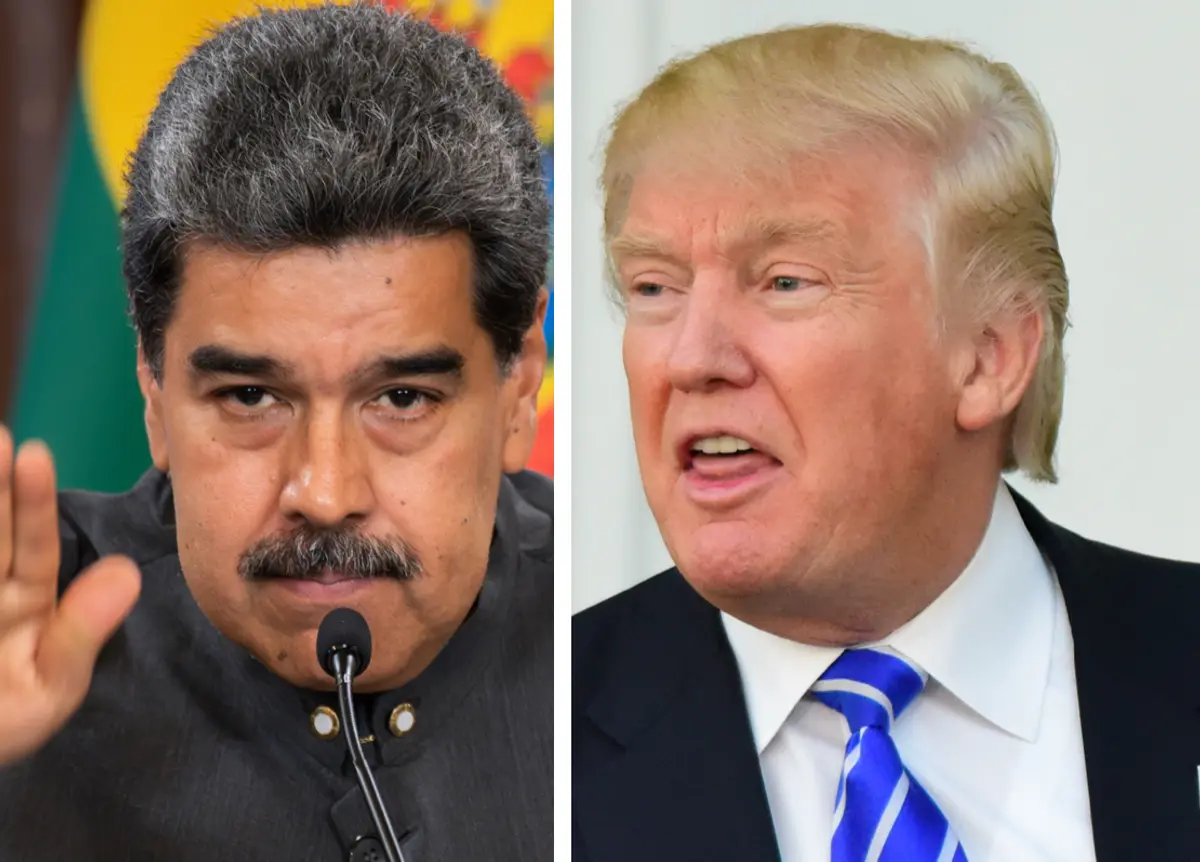
Most EU countries urge restraint. In many commentaries and initial responses, comparisons are drawn with the way Russian President Putin is trying to enforce a change of power in neighboring Ukraine through military force.
The United Nations Security Council is holding an emergency meeting today in New York about the expansion of United States hegemony in the Western Hemisphere.
European institutions and government leaders called for calm after the American military action in Venezuela. Statements repeatedly emphasize that escalation must be avoided and that international law and the UN Charter must be guiding principles.
It was emphasized that every further step must contribute to stability and a peaceful outcome. So far, concrete support or condemnation of the American action has been absent.
Most EU countries do not support President Maduro's regime. European leaders expressed support for the Venezuelan people without explicitly commenting on the illegality of the American intervention.
In addition to official reactions, numerous commentaries appeared in European media. These explain the European restraint as an attempt to uphold legal principles, even when an ally acts in violation of international law. These analyses highlight the discomfort within Europe.
In those commentaries, a comparison is regularly made with Vladimir Putin’s actions. They point out that the EU previously strongly condemned Russia for military intervention to enforce political changes, including in Ukraine.
Many European leaders fear that supporting the American action would undermine their previous positions. Adhering to international law is regarded as a way to remain consistent, regardless of who acts militarily.
Meanwhile, it remains unclear what next steps the United States and other parties involved will take. European leaders have not yet made any statements about this.