

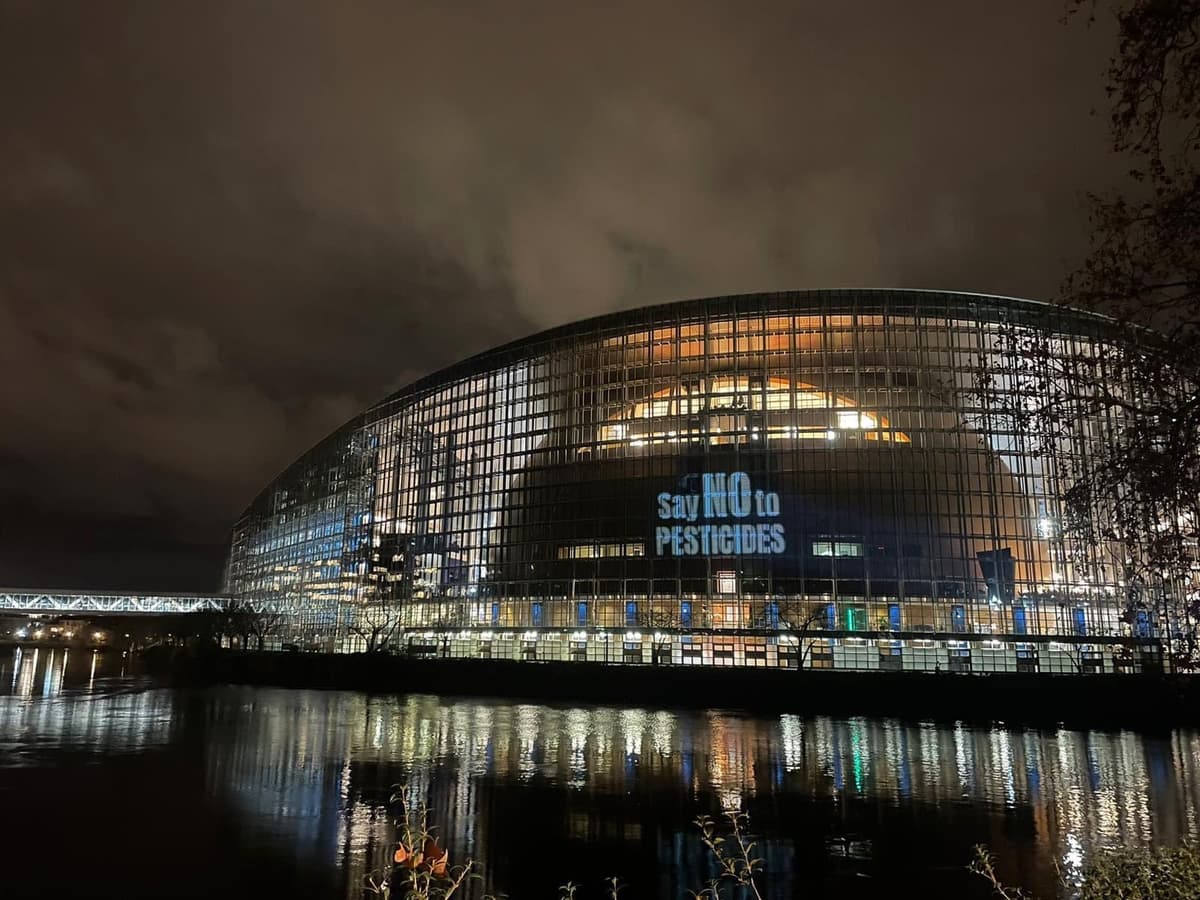
Switzerland recently announced an expansion of subsidies for farmers switching to chemical-free farming, and German Minister Özdemir has once again declared independent German policies to reduce glyphosate.
The study, conducted by researchers from the Eidgenössische Technische Hochschule Zürich (ETH Zurich), highlights the growing importance of the chemical-free approach. According to the researchers, it is quickly gaining ground due to increasing awareness of possible consequences for humans and the environment.
Pesticide-free production systems offer more flexibility than organic farming. For example, this allows farmers to avoid using pesticides for certain crops while still using them for others. A full shift to organic farming requires the entire farm to be converted. Moreover, an organic farm must refrain not only from synthetic agents but also from other mineral fertilizers, often resulting in lower yields.
Promotion
Since last year, Switzerland and Germany, for example, have compensated farmers who forgo synthetic pesticides. Swiss farmers now receive direct payments ranging between 650 euros (grains) and 1,400 euros (rapeseed) per hectare for cultivation without pesticides.
In response, non-EU country Switzerland recently announced it will increase subsidies for farmers switching to pesticide-free methods. This aims to stimulate the transition to more sustainable agricultural practices and encourage farmers to move away from chemical agents.
The shift toward 'not fully organic but chemical-free' has caused concern within the Swiss chemical industry, which complains about the declining availability of effective agents. The current revision of the regulation intends to speed up the approval of new crop protection products. Approximately 700 applications are pending approval, some for more than ten years. The Swiss industry complains that this process is even faster in the EU….
Last week, German Minister of Agriculture Cem Özdemir announced new policies to reduce the use of glyphosate (and other chemical agents). He had previously announced a glyphosate ban but did not succeed because it conflicts with EU regulations. Now, he aims to reduce glyphosate use by providing subsidies for using non-chemical agents.