The incidents are seen as potential strategic attacks on Europe’s vulnerable infrastructure.
The cable between Finland and Germany plays an important role in the digital connection between Northern and Central Europe, while the Sweden-Lithuania cable supports essential networks in the Baltic region. Both breaks were reported earlier this week.
German Defense Minister Boris Pistorius suspects sabotage due to the geopolitical tensions between NATO countries and Russia.
The current incidents recall the break earlier this year in a gas pipeline in the Gulf of Finland, which was most likely caused by an anchor dragged along the seabed by a Chinese container ship. This incident was initially seen as an accident but later fueled speculation about intent.
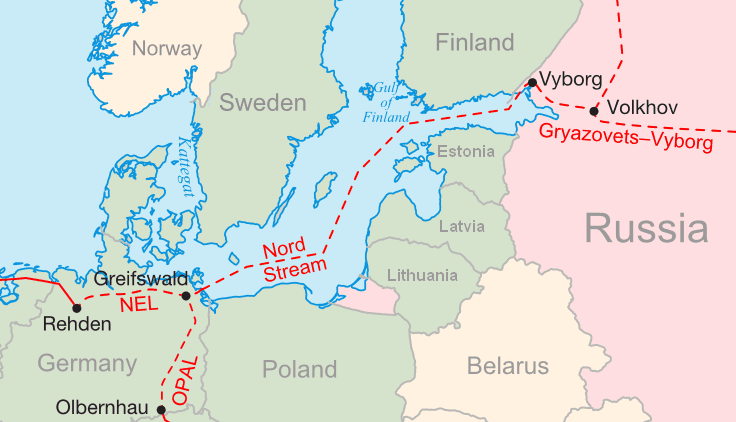
The breaks in the Baltic Sea cables also seem to show parallels with the sabotage of the Nord Stream pipelines in 2022, shortly after the outbreak of the Russian war against Ukraine. In that event, a new German-Russian gas pipeline was destroyed. The European Union is briefly halting imports of Russian oil and gas.
Experts have long warned about the risks of hybrid warfare, in which not only military means but also strategic attacks on economic and technological infrastructure are used.
Russia is frequently mentioned as a possible threat. Due to geopolitical tensions in the region, European countries remain vigilant against sabotage operations targeting hard-to-reach spots in their infrastructure.
According to analysts, better monitoring and security is needed for undersea cables, gas pipelines, and other critical networks. The Baltic Sea is a key hub for both energy and data connections, and incidents like these can severely affect stability and cooperation in the region.
Although conclusions have not yet been drawn, several countries point out that the proximity and simultaneous failure of the cables cannot be a coincidence. Germany, Finland, Sweden, and Lithuania are calling for strengthened cooperation within the EU and NATO to prevent such incidents in the future.
The breaks in the Baltic cables illustrate once again, according to experts, how vulnerable Europe is to non-traditional warfare.