

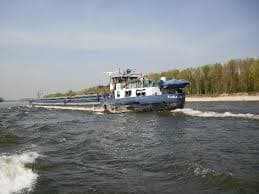
Ukrainian exporters complain about the slow handling in neighboring Romania of inland waterway grain transports via the channel between the Danube and the northern Romanian Black Sea port of Sulina. Dozens of ships have been waiting for days, causing transport costs to rise up to 500,000 dollars per day. There are now nearly one hundred ships lined up.
Most Ukrainian ports are still blocked by Russian ships and mines, forcing exporters to use the Romanian Danube ports and the Sulina channel. According to the European Businesses Association (EBA), there is a shortage of mooring places, too few pilots in the channel to Sulina, and navigation only takes place during the day.
In addition, Romanian grain exports are picking up, creating strong competition on the inland waterways over the Danube for access to the seaports for Ukrainians.
Promotion
The EBA has appealed for assistance from the United Nations Secretary-General and the European Commission. Brussels has previously called on neighboring countries for swift processing and ‘green corridors’ to allow passage of agricultural and food products.
They want the Romanian authorities to inspect at least six ships simultaneously, instead of only two as is currently the case. They also request longer schedules for pilots and harbor masters and the possibility to navigate the channel at night, which would double the transport capacity.
Grain transport by rail is too expensive because the track gauge of the Ukrainian railways from the Soviet era is 9 centimeters wider than that of the European railroads. Therefore, the grain must be unloaded and reloaded at the Polish border. This makes rail transport of Ukrainian agricultural products costly and time-consuming.
A delegation of the Agricultural Committee of the European Parliament is making a working visit this week to transshipment locations on the Ukrainian-Polish border.