According to British media, the authorities have not yet finalized their customs procedures and required IT systems. Moreover, they do not yet have sufficient staff. Meanwhile, EU countries have begun inspecting imports of British products since the UK left the EU market.
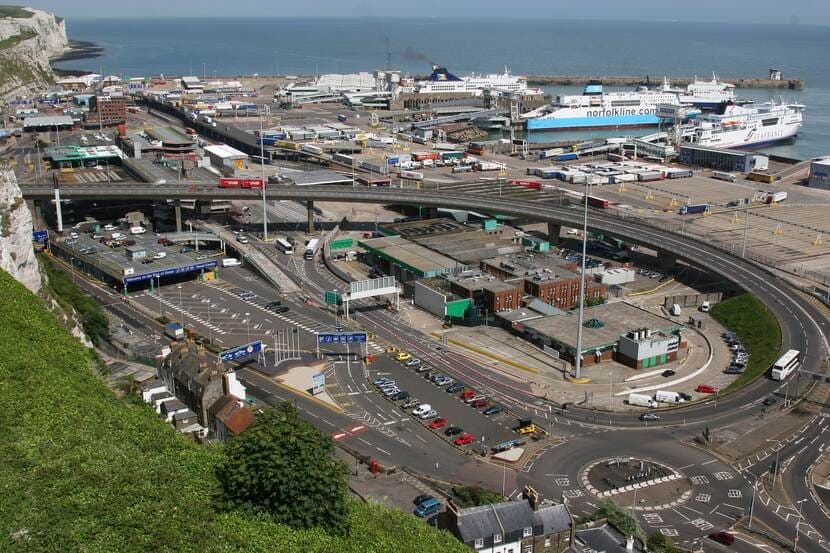
This has caused delays at control points in British ferry ports and long queues of trucks on supply routes in southeast England. Trucks are only allowed onto ferries to EU harbors once all their EU customs obligations have been completed.
Brexit has strained trade relations between the United Kingdom and the European Union, affecting both parties. The consequences of the delayed UK rollout of customs checks are significant.
Particularly in the food and agriculture sector, there are concerns about rising food prices due to these delays. Moreover, opinion polls show that two-thirds of Britons now believe the UK should not have left the EU.
Critics argue that the British government should have organized its affairs well in advance so that businesses and consumers would not face the current uncertainty and disruptions. The UK government has announced its continued commitment to implement customs controls as soon as possible, but it is clear there are still considerable obstacles to overcome.
Meanwhile, voices of concern have emerged from the British business community regarding the impact of delayed customs checks on food prices and inflation. The business magazine Politico reports that many companies fear further food price increases as a result of customs delays. This could raise inflation in the UK and produce a domino effect on other sectors of the economy.