

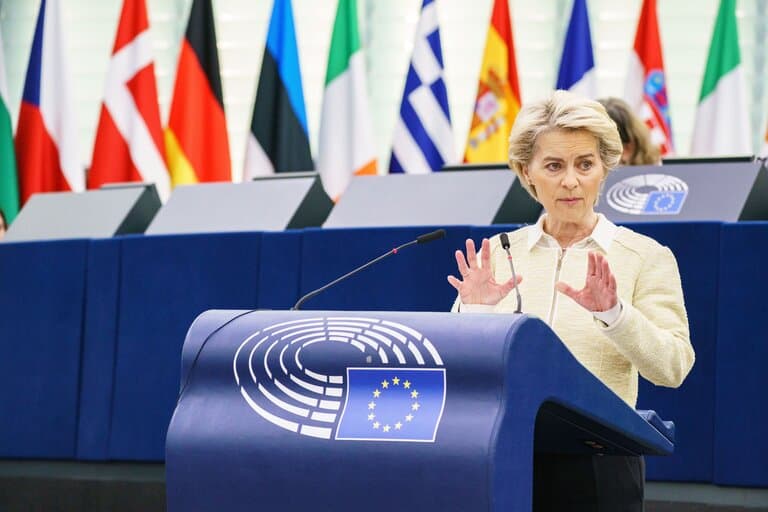
The selection of the new Commissioners will be a complex process, in which Von der Leyen must try to reach agreement on the distribution of portfolios. This agreement must concern not only the individuals themselves but also the allocation of specific portfolios and the balanced representation of different political parties.
Although Von der Leyen bears final responsibility, the EU country premiers have a significant informal influence beforehand over the division of portfolios. Ultimately, the European Parliament must approve the proposed Commissioners and the allocation of tasks.
One of the biggest challenges for Von der Leyen is her aim for a gender-balanced Commission. In 2019, she succeeded in achieving an even male-female distribution in the Commission for the first time, but this now appears much more difficult. Although she had requested member states to nominate both a male and a female candidate, most countries submitted only one male candidate. This threatens to skew the gender balance.