

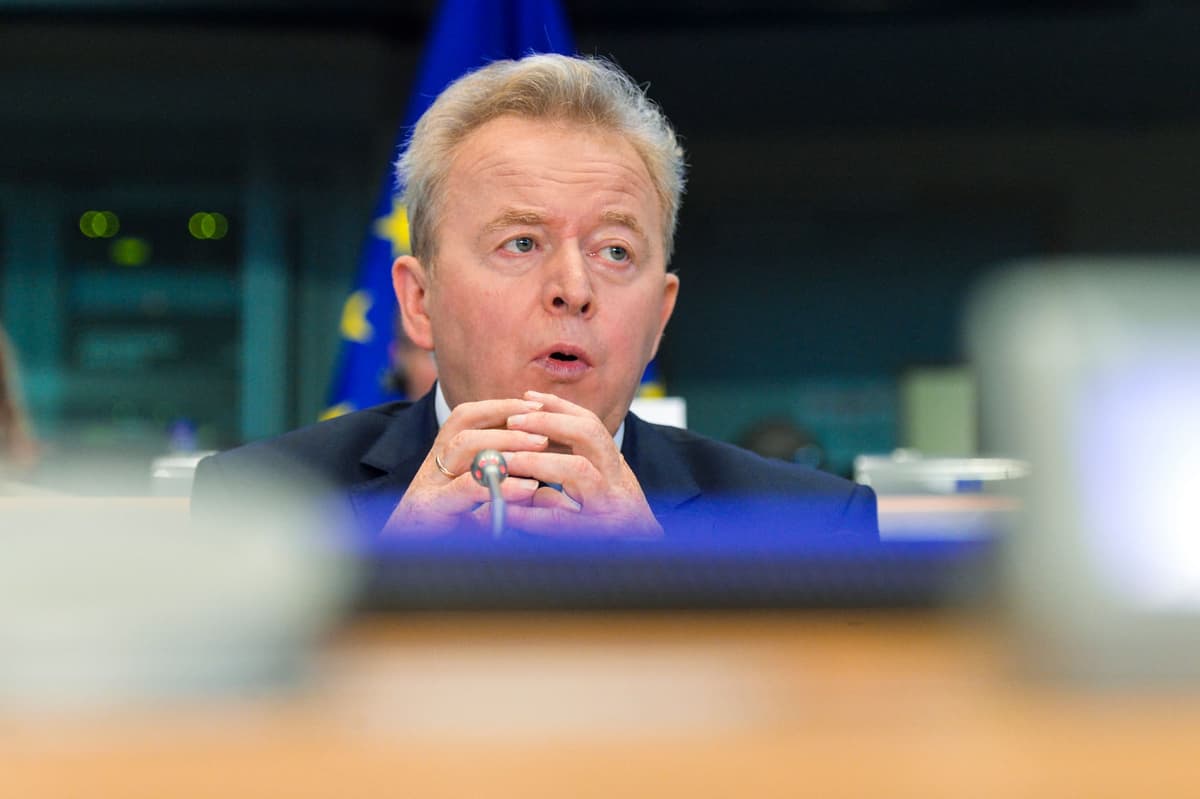
The European “farm to fork” strategy will not weaken or threaten the potential of European agriculture but strengthen it, said EU Commissioner Janusz Wojciechowski at a meeting of the Polish agricultural committee. According to him, achieving the objectives of the Climate Package Green Deal in Poland will not be a problem.
The more the objectives are non-binding, the more farmers will be encouraged to participate, he expects. Currently, the challenge for the European Commission and the Agriculture Ministers is to draft and implement National Strategic Plans (NSPs) for the Common Agricultural Policy.
So far, there are 118 rural development plans in the EU, as many countries have implemented regional plans. Each country (except Belgium, which will have separate plans for Wallonia and Flanders) must submit one Strategic Plan to Brussels. This must be done by the end of this year, but many Agriculture Ministers say they need more time.
Promotion
Wojciechowski emphasized that the NSPs apply to agriculture, not industry. According to him, countries in Eastern Europe have the most air and soil pollution caused by industry, which still largely runs on coal. But in the case of agriculture, the situation is different because the use of fertilizers and pesticides in the East is—according to him—below the EU average.
According to Wojciechowski, the Green Deal is not an obligation for farmers because it is not farmers but EU countries that are responsible for reducing fertilizers, pesticides, or antibiotics. He stated these are political, pan-European goals that should be pursued through incentives and not coercion.
Polish parliamentarians and farmers pointed out during the discussion in the Sejm that many recent studies show that the European Green Deal will lead to a decline in agricultural production, farmers’ income, and food exports in the EU.
But Wojciechowski disagrees with this approach. According to him, there is no simple relationship between reducing fertilization and lowering yields. The examples of France and Finland show that production even increased despite less use of artificial fertilizer. According to him, the future lies in precision fertilization, and the EU should support the purchase of such equipment.