

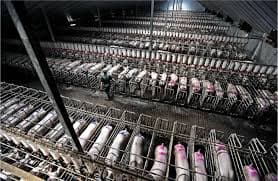
The World Bank’s call comes after recent expert reports highlighted the impact of the agri-food sector on climate and environment. The use of agricultural land and livestock farming are held responsible for a significant portion of global greenhouse gas emissions.
The Greens in the European Parliament have also proposed this week in their campaign for the European elections (June 6 - 9) to allocate current CAP subsidies to farmers through a completely different distribution key. Building on the Green Deal eco-schemes, EU agricultural funds should only be granted to promote organic and animal-friendly practices.
Direct payments have always been controversial. The financing concept is considered outdated. The agricultural lobby also expects that post-2027 it may become tight for this kind of agricultural subsidies – especially during times of tight budgets in EU member states.
Promotion
The Greens argue that the distribution key based on the size of agricultural plots should be completely abolished. They point out that the money almost entirely ends up with large, capital-strong profit-making agri-concerns. EU Court of Auditors (ECA) accountants have also previously concluded that most current EU subsidy flows hardly contribute to making agriculture and livestock farming more sustainable.
The World Bank initiative has gained broad support from various international actors, including governments, companies, and civil society organizations. The call to action is seen as a crucial step in the fight against climate change and the promotion of sustainable development worldwide.
The calls from the World Bank and the Greens come on the eve of negotiations in European politics on adjustments to the common agricultural policy for the period after the CAP policy plan 2023 - 2027. This must be shaped by the new European Commission, which will be elected after the June elections, at the end of this year.